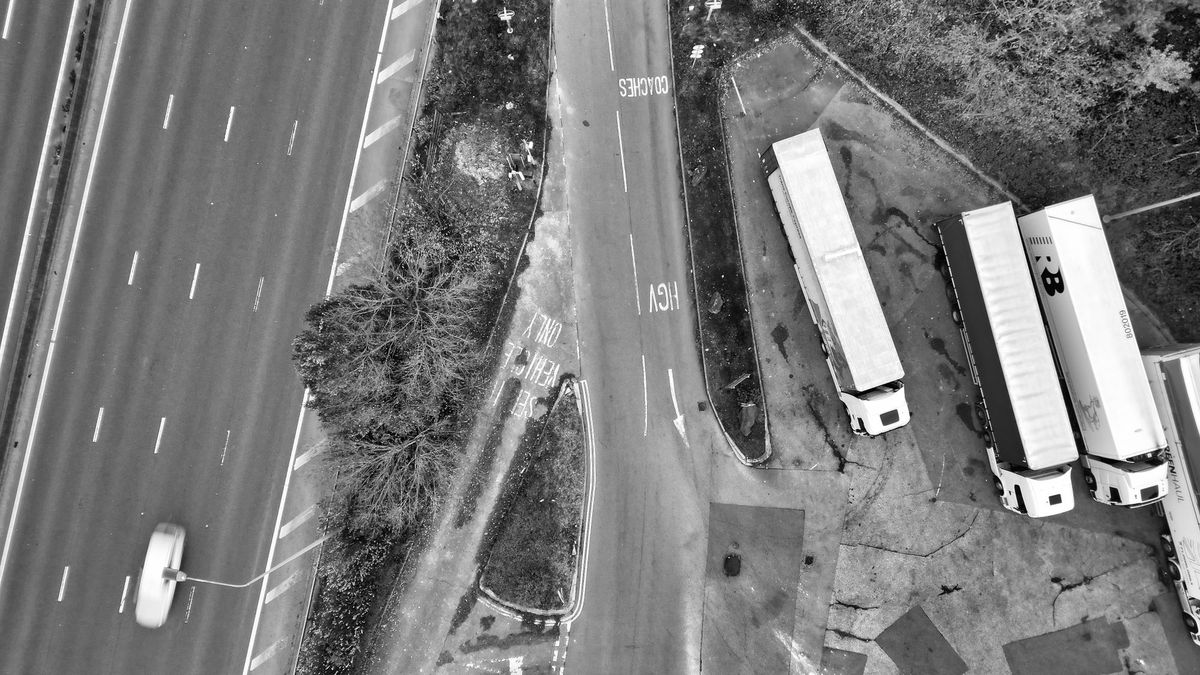
Sacramento sits where Interstates 5 and 80, US 50 and SR 99 meet, with rail, a river port and an air cargo airport nearby. This explains how each link works, how driver hours and Sierra chain controls change delivery reach and how to test a site against your own orders.
Why Warehouse Inventory Discrepancies Occur

SacramentoWarehouse.com
Table Of Content

Contact us anytime!
Where Inventory Discrepancies Come From
Inventory discrepancies are differences between what the system says a warehouse holds and what sits on the shelf. Most trace back to a handful of steps: receiving, put away, picking, returns and adjustments. Theft and damage play a part, but process errors usually explain more.
Finding the cause matters more than correcting the number.
Receiving Errors
A miscounted receipt starts the trouble. If staff enter more than arrived, the system shows phantom stock. If they enter less, the extra goods sit unrecorded.
The guide on receiving counts explains how to check freight at the dock.
Put Away and Location Errors
Goods placed in the wrong location look missing. The system says one place, the pallet sits in another. Over time, those errors pile up into apparent shortages and overages that cancel out only on paper.
Picking and Shipping Errors
- Wrong item picked from a neighboring location
- Wrong quantity picked or confirmed
- Shipments confirmed without scanning
- Substitutions made without updating the order
Each error affects two records at once, the item shipped and the item ordered.
Returns and Adjustments
Returned goods put back without inspection or scanning distort counts. Manual adjustments made to clear a variance, without finding its cause, hide the problem and let it repeat.
So ask who approves adjustments and how the warehouse records the reason.
Tracing Inventory Discrepancies
Start with the item’s transaction history. Review recent receipts, moves, picks and adjustments. Then count nearby locations, since misplaced goods often sit close by.
For example, a hypothetical hardware distributor short on one bolt size might find the missing cartons in the location for the next size up. The pick and put away history would show when the mix up happened.
Inventory Discrepancies and Accounting
Variances affect financial records as well as operations. Businesses that carry inventory need a method for valuing it, and IRS Publication 538 covers inventory methods. An accountant can advise on how to treat write downs and adjustments.
Reducing Discrepancies
Scan at every step, separate similar items and count high risk locations more often. The article on cycle counts explains how rolling counts catch problems early. Review variance reports monthly so patterns surface before they grow.
Sharing Results With the Owner
Ask the warehouse to send variance reports with causes, not only totals. A report that says what went wrong and how staff fixed it builds trust. A report with adjustments and no explanation should prompt questions.