Inventory rarely holds steady all year. Peak seasons, harvests and promotions push space needs up and down, and planning ahead helps businesses avoid crowded buildings or rushed overflow deals.
How Warehouses Verify Receiving Counts

SacramentoWarehouse.com
Table Of Content

Contact us anytime!
Why Receiving Counts Come First
Receiving counts set the starting balance for every item in a warehouse. If the count at the dock is wrong, every later report carries the same error until someone finds it.
So the check at receiving deserves as much attention as any other step.
What Staff Compare
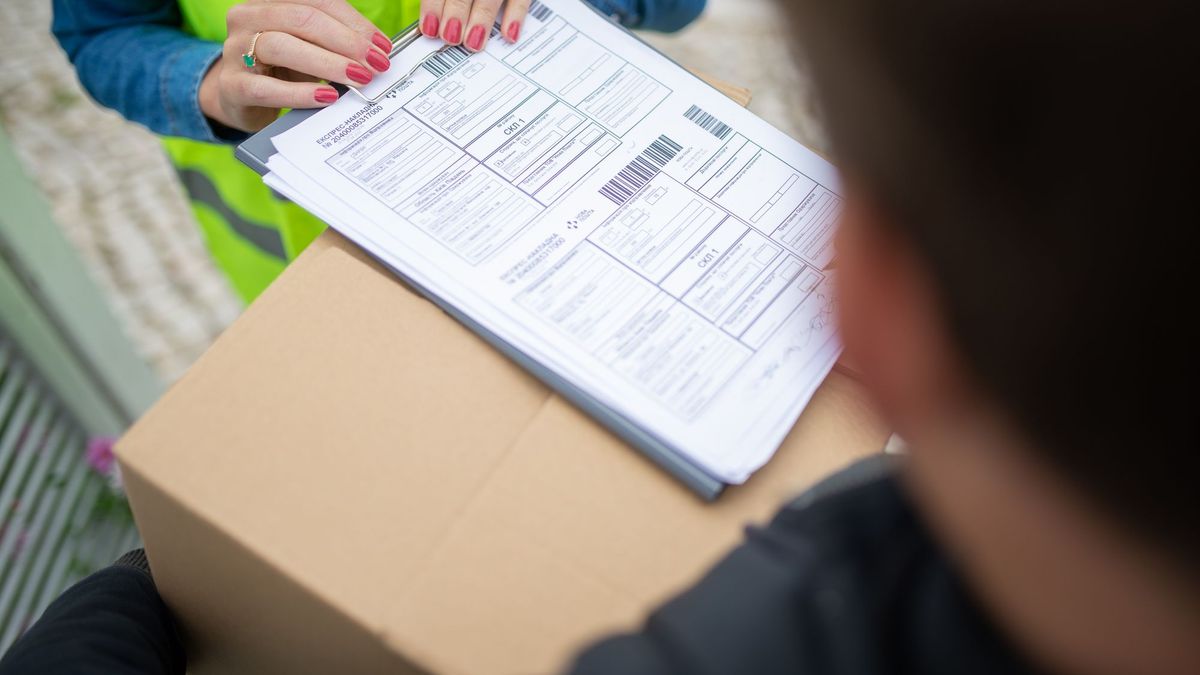
A receiving clerk compares the freight against at least one document. Usually that means the bill of lading, the purchase order and, where available, an advance shipping notice.
Federal rules require a motor carrier bill of lading to show the number of packages and a description of the freight, among other details. The receipts and bills regulation lists those requirements. That package count is the first thing to check at the door.
Levels of Receiving Counts
- Pallet count, checked against the bill of lading
- Carton count on each pallet
- Unit count inside cartons, when the agreement calls for it
- Lot or expiration data for tracked items
Each level takes more time. Many agreements set receiving counts at the carton level and spot check units. Read your agreement to see which level applies.
Blind Counts and Scanned Counts
In a blind count, the clerk counts without seeing the expected quantity. That method catches errors because the clerk cannot simply confirm the paperwork.
Scanning adds another check. When staff scan each carton or pallet label, the system compares the scan with the expected quantity and flags differences. Even so, scanning only works when labels are correct and readable.
When Receiving Counts Do Not Match
A mismatch needs a note on the delivery receipt before the driver leaves. Write the shortage, overage or damage with specific counts, then have the driver sign or initial it if possible.
After that, report the exception to the owner of the goods. The guide on freight shortages explains how to document a short delivery, and the article on OSD report contents covers over, short and damaged records.
Questions for Your Warehouse
Ask which level of receiving counts the warehouse performs. Ask how fast it reports exceptions and what photos it takes. Then ask for a sample receiving report.
For example, a hypothetical apparel brand might require carton level counts with unit checks on one carton in twenty. Those terms are illustrative, but writing a rule like that into the agreement removes guesswork at the dock.
Count accuracy also depends on the dock itself. Good lighting, clear staging space and enough time per trailer let clerks count without rushing. When a dock is crowded, counts slip, so ask how the warehouse staffs receiving on its busiest days.