Inventory rarely holds steady all year. Peak seasons, harvests and promotions push space needs up and down, and planning ahead helps businesses avoid crowded buildings or rushed overflow deals.
One Warehouse Compared With Several Locations

SacramentoWarehouse.com
Table Of Content

Contact us anytime!
A growing business eventually asks where its inventory should live. One building keeps things simple. Several buildings can put goods closer to customers. The single versus multi warehouse question shapes costs, delivery reach and how a company handles disruption.
Businesses planning networks or outsourcing logistics face this choice more than once. Sales patterns shift, customers move and new channels appear, so the answer can change over time.
The Basic Difference
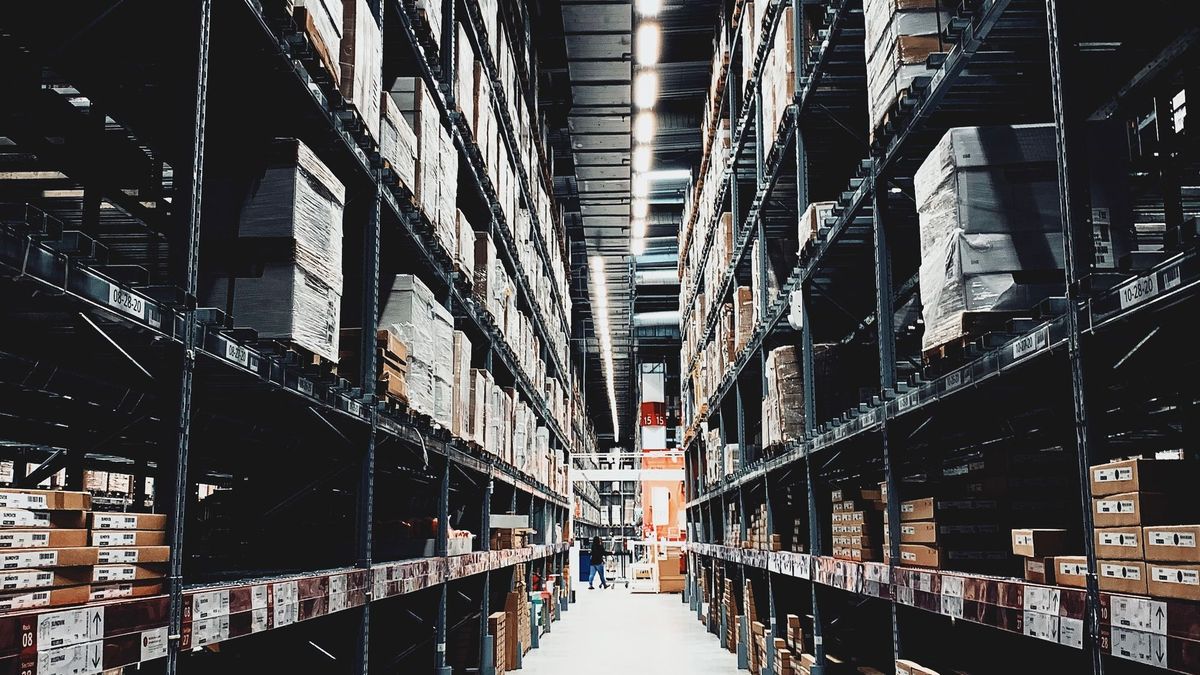
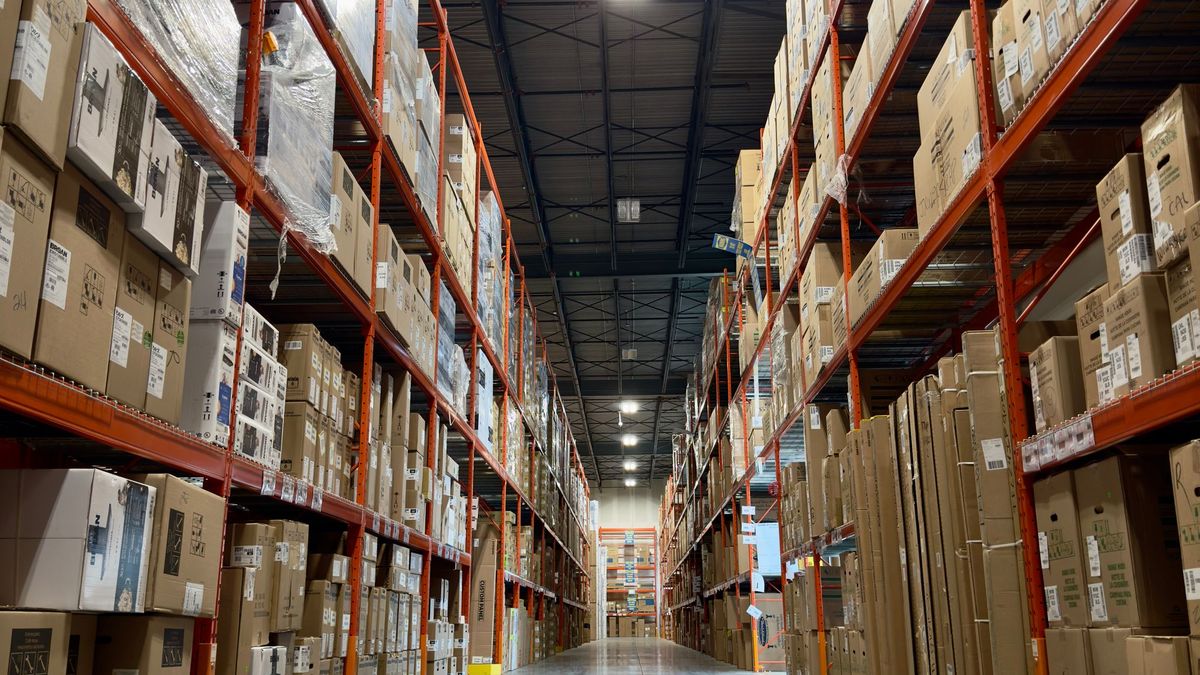
A single site network holds all stock in one place. Every order ships from that building, whether the customer is nearby or across the country.
A multi site network splits inventory across two or more locations. Orders usually ship from the site closest to the customer or from whichever one holds the item. The guide on regional distribution network planning covers how companies group those sites.
Inventory Effects
Inventory behaves differently in each model. One building pools all stock, so a surge in demand from one region can draw on the full supply. Planners often find they need less total buffer stock with a single pool.
Splitting inventory changes that math. Each site needs its own cushion against uneven demand. Total stock across the network tends to rise as locations are added, though the size of that increase depends on demand patterns. The guide to safety stock planning explains why buffers grow when inventory is divided.
Balancing stock between sites adds work too. Transfers move goods from a site with extra to one running short, which adds handling and freight.
Geographic Coverage
Distance drives delivery speed and freight cost. A single building on the West Coast reaches nearby customers quickly but sends long haul shipments to distant ones. Adding a second or third site can shorten those trips.
Northern California offers a useful illustration. Sacramento sits on major interstate and rail corridors with access toward the Bay Area, the Central Valley and Nevada. The guide on Sacramento Bay Area freight describes those connections in more detail.
Statewide freight planning also shapes the picture. Caltrans develops the California Freight Mobility Plan, a long range plan that addresses freight trends, issues and investments across the state.
Handling Complexity
Each additional site multiplies routine tasks. Receiving, cycle counts, returns and staffing all happen in more places. Systems must show stock by location so orders route to the right building.
Product range matters here. A company with a few fast moving items may stock every site fully. Businesses with thousands of slow items might keep the long tail in one central building and place only top sellers in regional sites.
Outsourced networks bring their own coordination. Different operators may use different systems, cutoff times and reporting formats. Aligning those details takes time and attention.
Service Level Tradeoffs
Customers judge service by speed, accuracy and consistency. A multi site network can shorten transit times for distant customers. It can also create split shipments if one site lacks an item and another site fills the rest.
A single building avoids split orders by design. Its weakness shows up in transit time to far regions. Some businesses accept longer delivery windows in exchange for simpler operations.
Resilience and Risk
Concentration carries risk. A fire, power outage, flood or labor disruption at one building can stop every shipment. Wildfire smoke and extreme heat have affected Northern California operations in past years, which reminds planners that local events matter.
Several sites spread that risk. If one building goes offline, another can carry part of the load, provided it holds the right stock. That backup only works with planning, since a site with empty slots for the affected items offers little help.
Cost Categories to Compare
Network costs fall into a handful of buckets. Outbound freight usually drops as sites move closer to customers. Inbound freight can rise, since suppliers now ship to more destinations.
Storage and labor follow each building. Fixed charges such as minimum monthly fees or management costs repeat at every site. Inventory carrying cost grows with total stock, which ties back to the buffer question.
Technology and oversight add a layer that is easy to overlook. Someone has to manage each relationship, review invoices and track performance. The guide on storage versus handling fees explains how warehouse charges are commonly structured.
A Hypothetical Network Decision
Picture a housewares brand selling online from a single building near Sacramento. Most customers live in California, but a growing share sit in Texas and the Midwest. Delivery times to those regions run longer than competitors offer.
The brand studies two options. One keeps the single building and upgrades shipping service levels. The other adds a second site in a central state and stocks top sellers there. Each option gets a cost model built from the brand’s own order history, freight quotes and storage terms rather than published averages.
Useful Decision Criteria
Several questions help frame the single versus multi warehouse choice:
- Where do customers sit today, and where is growth coming from?
- How many items does the business carry, and how fast does each move?
- What delivery promise do customers expect?
- How much extra inventory can the business fund across sites?
- What would a shutdown at one building do to orders?
- Can systems show stock by location and route orders correctly?
Moving From One Model to Another
Network changes rarely happen overnight. Opening a second site involves stocking it, testing order routing and training staff. Many businesses phase in a new building with a limited set of items first.
Consolidating back to one site has its own steps. Inventory has to move, customer delivery promises may change and contracts may carry notice periods. Planning the sequence carefully reduces service disruptions during the switch.
Limits of General Guidance
No rule of thumb fits every company. Freight rates, labor markets and storage terms differ by region and change often. Published averages rarely match a specific product mix.
Readers should treat this overview as a framework, not a recommendation. Real decisions call for current quotes, actual order data and a clear view of the business’s growth plans. The warehouse distribution meaning guide offers background on how distribution sites fit into a broader supply chain.