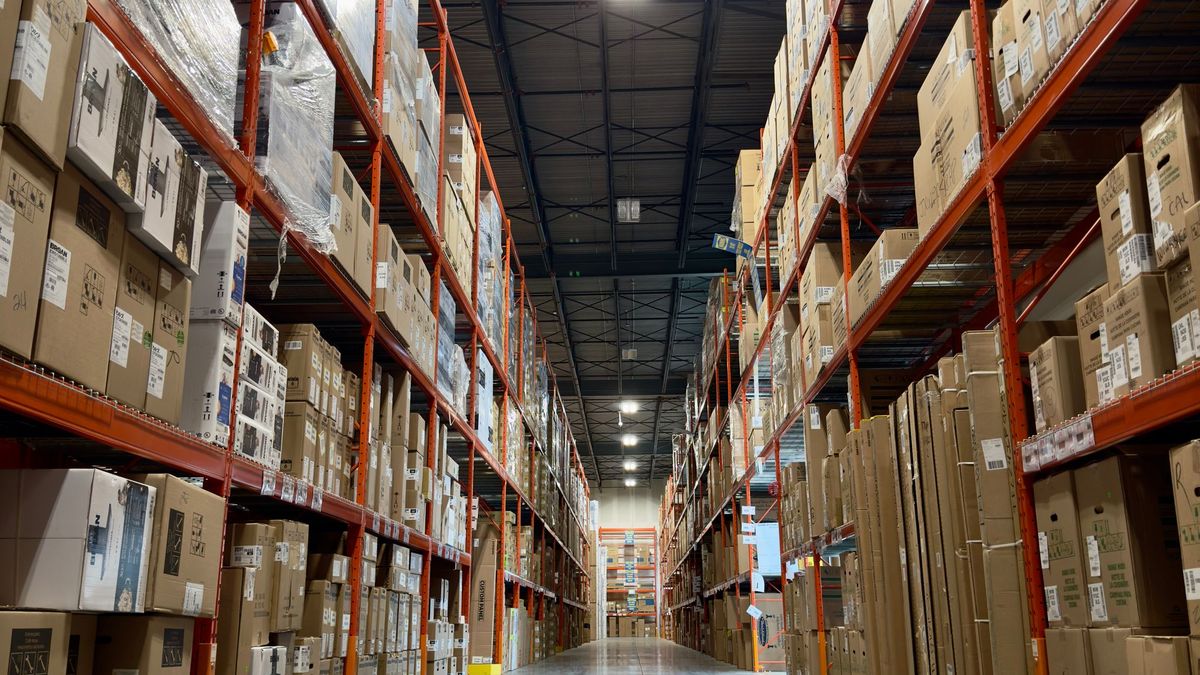
Buffer inventory protects against stockouts, but every extra case needs a place to sit. Understanding how safety stock drives space helps businesses plan storage more realistically.
Why Warehouse Space Needs Change Seasonally

SacramentoWarehouse.com
Table Of Content

Contact us anytime!
Few businesses need the same amount of storage in every month. A toy company swells before the winter holidays. Garden suppliers fill up in late winter ahead of spring planting. Seasonal warehouse capacity describes how space needs rise and fall with these cycles.
Businesses planning networks or outsourced logistics benefit from mapping those swings early. Waiting until racks are full leaves fewer choices and often higher costs.
Common Drivers of Seasonal Swings
Several patterns push inventory up at predictable times:
- Retail holiday seasons that require stock to arrive weeks ahead of sales
- Agricultural harvests that bring large volumes into storage at once
- Back to school, summer and other category specific peaks
- Promotions and product launches tied to marketing calendars
- Supplier shutdowns that force businesses to stock up beforehand
Each driver has its own timing and shape. Some create a sharp spike, and others build gradually over months.
Regional Patterns Around Sacramento
The Sacramento Valley has a large agricultural economy. Harvest periods for local crops can raise demand for both dry and refrigerated storage in the region. Food processors and packers may need extra space for finished goods after a harvest.
Retail and e-commerce peaks affect the region as well. Distribution operations serving Northern California and Nevada often build inventory ahead of the year end shopping season. Specific timing and volumes vary by product, so planners should rely on their own sales history.
Why Peaks Strain Space
Peak inventory has two layers. Extra cycle stock covers higher expected sales. Additional buffer protects against the larger swings that busy seasons bring. The guide on safety stock planning explains how that buffer translates into space.
Inbound volume also climbs before a peak. Docks see more trucks, receiving takes longer and staging areas fill up. Outbound volume follows once sales begin. Both put pressure on the same building at overlapping times.
Risks of Running Too Full
A building near its limit becomes harder to run. Pallets may end up in aisles or staging lanes. Pickers travel farther, and mistakes become more likely. Safety concerns grow too.
Federal rules for general materials handling in 29 CFR 1910.176 state that stored material must not create a hazard. Tiered stacks have to be stable and secure against sliding or collapse. Overflow placed in a hurry can conflict with those rules.
Planning Options for Peak Periods
Businesses use several approaches to handle seasonal swings. Some size their own building for the peak and accept empty space in slow months. Others size for average demand and add temporary capacity during the busy season.
Temporary options include short term space in a public warehouse, trailer storage in a yard or pop up overflow sites. The guide on short term warehouse storage describes how those arrangements usually work.
Timing purchases differently can help too. Spreading inbound shipments over more weeks lowers the peak, although it can raise carrying cost and the risk of unsold goods.
Contract and Availability Considerations
Public and contract warehouses face the same seasonal demand as their customers. Space may grow scarce right when a business needs it most. Securing capacity early tends to give more options.
Contracts often set minimum terms, volume commitments or notice periods. Some operators charge differently during peak months. Readers should ask for current written terms rather than relying on general expectations.
Product Traits During Peaks
Not every item stresses space equally. Bulky seasonal goods, such as patio furniture or artificial trees, take up far more room per unit than small accessories. Products that cannot stack need more floor area.
Temperature controlled goods face tighter limits. Cooler and freezer space is usually scarcer than dry space and harder to add on short notice. Harvest periods can put extra pressure on refrigerated capacity in agricultural regions.
Hazardous or regulated items have their own constraints. Separation rules may limit which overflow sites can accept them at all.
Labor and Dock Capacity
Space is only one constraint. Seasonal peaks also need people and dock time. Warehouses often hire temporary staff, extend shifts or add weekend work.
Dock appointments fill quickly during busy weeks. Inbound loads that arrive without a slot may wait or get turned away. The guide to warehouse appointment scheduling explains how facilities manage that flow.
A Hypothetical Seasonal Plan
Picture a holiday decor importer using a warehouse near Sacramento. Its sales history shows inventory roughly tripling between late summer and early winter, then falling sharply in January. Those figures come from the importer’s own records.
The importer compares two approaches. One leases enough space year round to hold the peak. The other leases space for the off season and books overflow storage for four months. Each scenario uses current quotes, expected handling charges and freight between sites to compare total cost.
Network Effects
Seasonal swings interact with network design. A business with several sites can sometimes shift inventory between them to smooth peaks. One building alone has less flexibility unless overflow space sits nearby.
The guide on single versus multi warehouse networks covers those tradeoffs in more detail.
Measuring Seasonal Warehouse Capacity Needs
Good planning starts with data. Monthly inventory levels by item, converted into pallet positions or shelf locations, show the true shape of the curve. Inbound and outbound volumes by week reveal dock pressure.
Comparing several years of history helps separate a one time spike from a recurring pattern. New products or channels may not have history, so planners often use comparable items as a stand in.
After the Season Ends
The drop after a peak needs planning as well. Unsold goods may need to move to cheaper storage, return to suppliers or go to liquidation. Returns from holiday sales often arrive weeks after the season closes.
Releasing overflow space on time avoids paying for empty slots. Clear records of which items sit where make that drawdown faster.
Details to Verify Before a Peak
Readers preparing for a busy season can check a short list. Is peak inventory mapped in pallet positions, not just units? Has overflow space been confirmed in writing, with dates and terms?
Confirm dock appointment availability and labor plans with the warehouse. Review how storage and handling fees apply during peak months. Plan how inventory will drain after the season ends so temporary space can be released on schedule.