Inventory rarely holds steady all year. Peak seasons, harvests and promotions push space needs up and down, and planning ahead helps businesses avoid crowded buildings or rushed overflow deals.
How to Read Warehouse Receiving Reports

SacramentoWarehouse.com
Table Of Content

Contact us anytime!
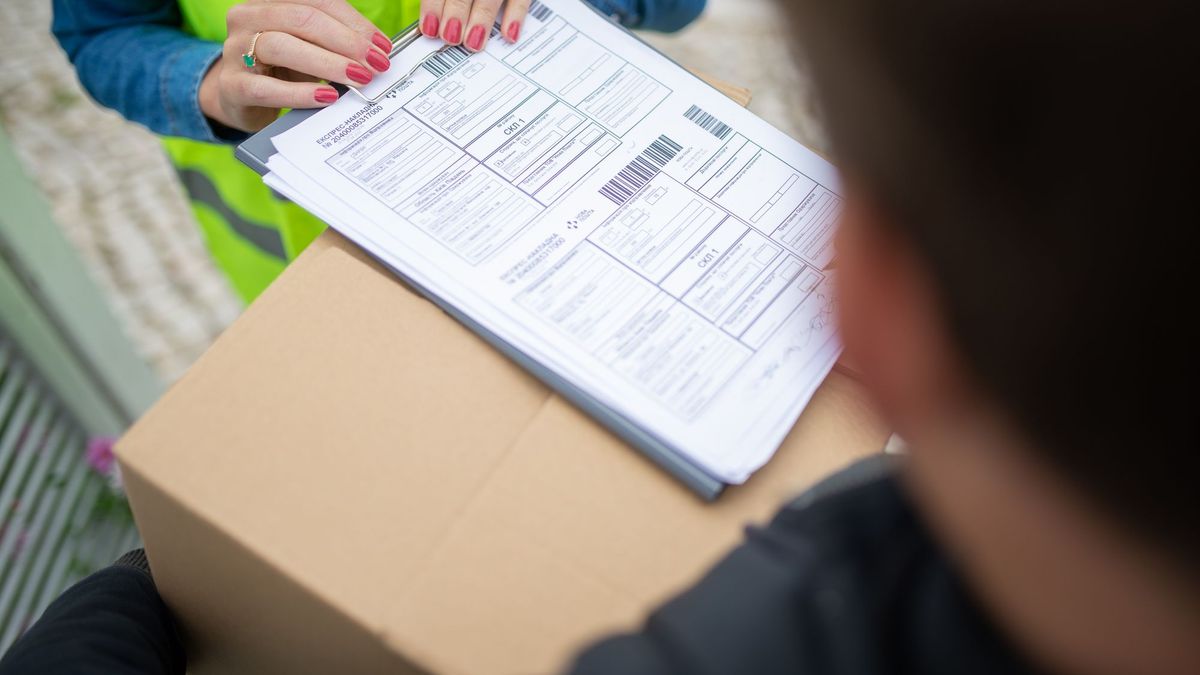
Every inbound load leaves a paper trail at the warehouse door. Staff count cartons, look over pallets and write down what they find. Warehouse receiving reports turn those observations into the first official record of goods entering storage.
Shippers and receivers who work with freight records rely on these reports to confirm inventory and spot problems. Reading them well takes some familiarity with the usual fields and their limits.
Purpose of a Receiving Report
A receiving report documents what a facility accepted from a carrier. It ties a specific delivery to a purchase order, advance ship notice or customer reference. From that point, the goods become part of the warehouse inventory.
The report establishes a baseline. Any later count, pick or adjustment traces back to the quantity recorded at receipt. Errors at this stage tend to ripple through every downstream record.
Timing of Creation
Most facilities create the report during unloading or shortly after. Dock staff check the trailer, count pieces and compare them with the shipping papers. A supervisor or clerk then posts the result to the warehouse management system.
Delays matter, especially for busy docks. A load that sits unprocessed on the dock for a day may have its count questioned. Facilities that schedule inbound trucks through warehouse appointment scheduling usually have staff ready to receive promptly.
Common Fields and What They Mean
Layouts differ by facility and software. Several fields appear on nearly every version:
- Date and time of arrival and of unloading
- Carrier name, trailer number and seal number
- Reference numbers such as the purchase order or bill of lading
- Expected quantity and received quantity
- Item numbers, lot codes and expiration dates where tracked
- Condition notes and the name of the person who received
The difference between expected and received quantity deserves the closest look. A gap there signals an overage, a shortage or a data entry error.
Reading Condition Notes
Condition notes describe what staff saw. Typical entries mention crushed corners, wet cartons, broken stretch wrap or leaning pallets. Some facilities attach photos to the record.
Vague notes limit their usefulness. A remark like damaged gives little detail about scale or location. Specific wording, such as two cartons torn on the north side of pallet four, helps anyone reviewing the file weeks afterward.
Notes on a receiving report have a limited legal role. Federal rules in 49 CFR Part 370 state that notations of shortage or damage on delivery receipts and similar documents do not, by themselves, count as a carrier claim. A written claim with an amount still has to follow.
Who Uses Receiving Data
Several groups draw on the same report. Inventory teams use it to update stock levels. Accounts payable staff match it against supplier invoices before paying. Shippers who store goods with a third party read it to confirm their freight arrived complete.
Claims staff turn to it whenever something went wrong. Sales and customer service teams may check it to answer questions about available stock. Each group reads the report with a different question in mind.
A Hypothetical Receiving Scenario
Picture a supplier shipping forty cases of shelf stable sauces to a warehouse in Sacramento. The advance ship notice lists forty cases on two pallets. Dock staff count thirty eight and note one pallet with torn wrap.
The receiving report shows the expected quantity, the received quantity and the condition remark. A photo of the damaged pallet sits in the file. With that record, the shipper can compare counts against the BOL versus POD records and decide whether to pursue the shortage with the carrier.
Discrepancies and Their Causes
Not every gap means freight went missing. Suppliers sometimes ship short and forget to update the notice. Cartons may get counted twice or skipped on a busy dock. Mixed pallets with similar labels create confusion as well.
Recount procedures help sort out the cause. Many facilities require a second person to verify any variance. The warehouse inventory accuracy guide explains how ongoing counts keep stock records reliable.
Overages and Wrong Items
Extra freight raises its own questions. For instance, a supplier may send cases meant for a different customer. Staff usually hold surplus goods aside until someone confirms ownership.
Wrong items create similar confusion. A pallet labeled with the right item number might contain a different size or color. Because of these risks, some facilities open a sample carton during receipt. Others rely on scanning barcodes at the case level instead.
Whatever the method, the report should say what staff actually checked. A record that lists only pallet counts tells readers less than one showing case scans. Similarly, a note about a sample check signals how deep the inspection went.
Access to Receiving Records
Shippers do not always see the full report. Some facilities share a summary through a customer portal. Others send a receipt confirmation by email with only quantities listed.
Contracts often spell out which records a customer may request. Asking for photos, signed tally sheets or system screenshots is reasonable when a dispute arises. Retention periods depend on the facility and the agreement, so customers who need older records should ask early.
Temperature and Lot Details
Some products need extra fields. Refrigerated freight may require a recorded product or trailer temperature at arrival. Food and pharmaceutical items often need lot numbers and expiration dates captured at receipt.
In particular, missing lot data can complicate a recall. Temperature gaps can raise questions about product safety. The cold chain documentation guide covers those records in more depth.
Limits of the Report
A receiving report records outward appearance and counts. It rarely confirms the contents of sealed cartons. Concealed damage or wrong items inside a box usually surface only once someone opens it.
The report also reflects one moment in time. Conditions can change during storage, so it cannot prove how goods looked weeks afterward. Readers should treat it as strong evidence of arrival condition and nothing more.
Details Worth Verifying
Anyone reviewing warehouse receiving reports can check a short list of points. Do the reference numbers match the order and the shipping papers? Does the received quantity agree with the expected amount, and is any variance explained?
Next, look at the seal number and compare it with the number on the bill of lading. Check that condition notes are specific and that a name appears for the person who received. Confirm dates line up with the carrier’s delivery record.