Inventory rarely holds steady all year. Peak seasons, harvests and promotions push space needs up and down, and planning ahead helps businesses avoid crowded buildings or rushed overflow deals.
How Cold Chain Records Support Quality

SacramentoWarehouse.com
Table Of Content

Contact us anytime!
What Cold Chain Records Prove
Cold chain records show that temperature sensitive goods stayed within their range from origin to delivery. They include room logs, trailer readings, handoff notes and alarm reports. Together, they answer the question every receiver asks: was this product kept cold the whole way?
Without records, nobody can prove the answer either way.
Records at Each Step
- Pre-cool and loading temperatures at the shipper
- Trailer unit settings and readings in transit
- Receiving temperatures at the warehouse
- Room logs and alarms during storage
- Loading and delivery readings outbound
Each record covers a different stretch of time, so a gap anywhere weakens the whole chain.
Federal Rules for Food
Food that needs temperature control for safety falls under federal sanitary transportation rules. 21 CFR Part 1 Subpart O sets duties for shippers, loaders, carriers and receivers, including requirements related to temperature control and records in certain cases. The FDA also publishes a summary of the rule, which helps readers new to it.
Because the rules depend on the product and the parties’ roles, check with a qualified compliance professional for specific obligations.
Cold Chain Records at Handoffs
In practice, handoffs are where gaps appear. When a trailer arrives, record the setting on the reefer unit, the reading and the product temperature if you take one. Then note the time the doors opened and closed.
The article on reefer handoffs covers that step in more detail.
Storage Logs
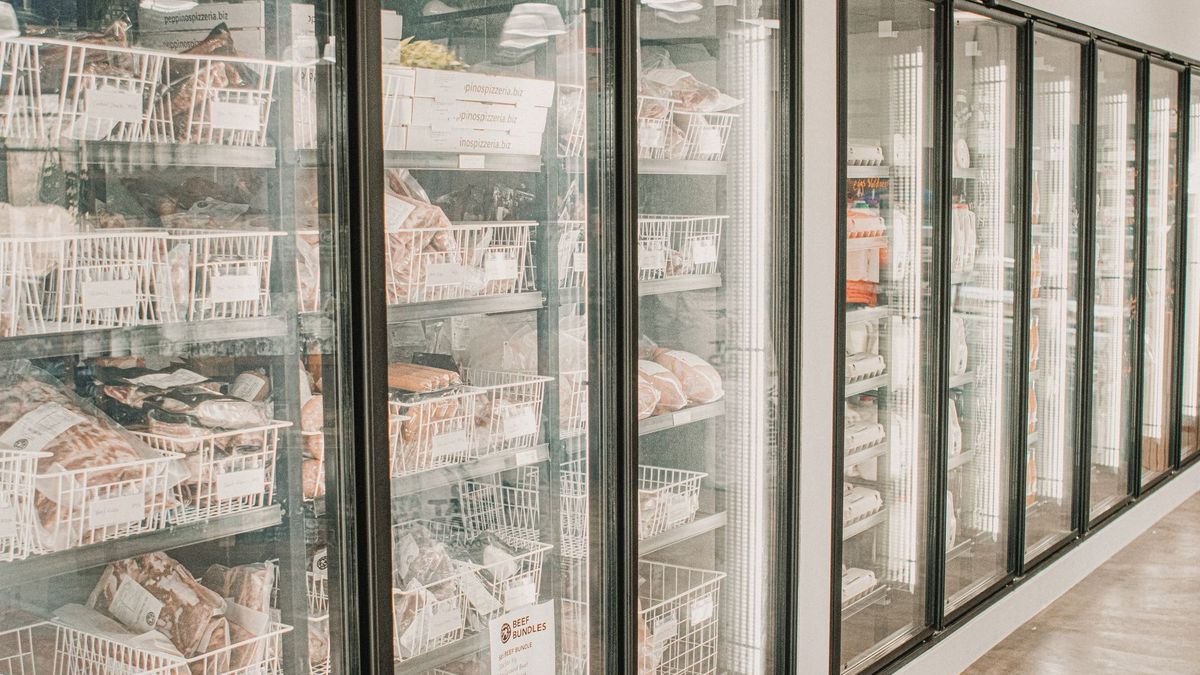
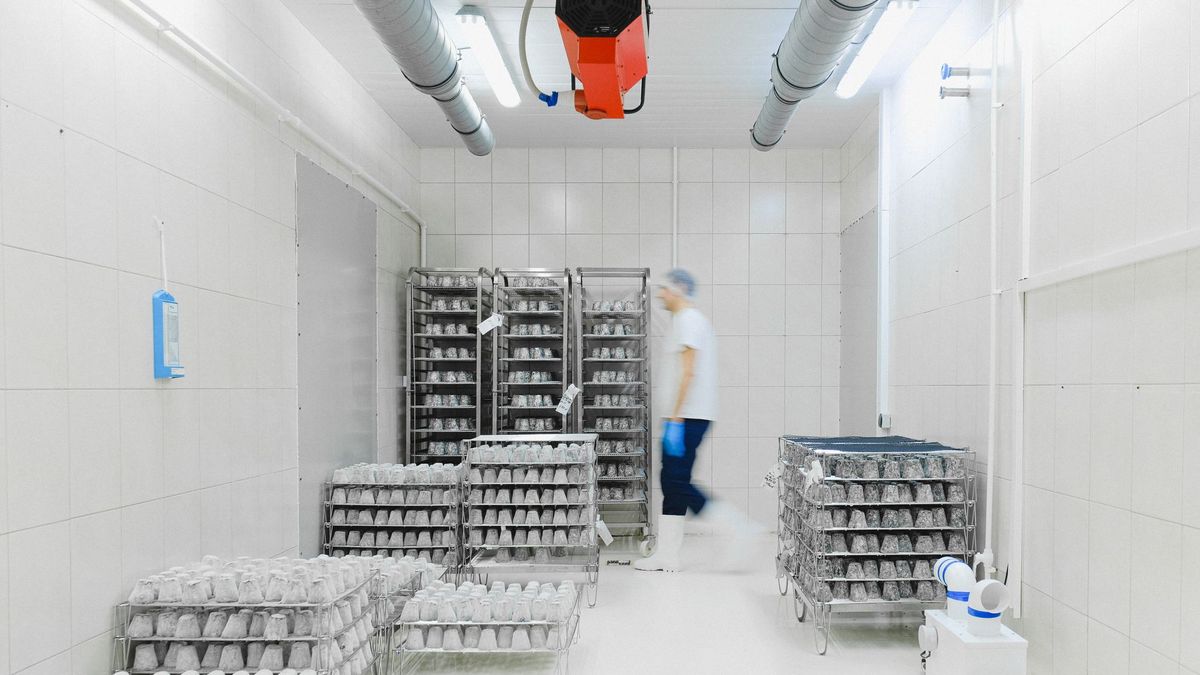
Meanwhile, warehouses log room temperatures automatically in most cases. Ask how often the system reads, where sensors sit and how alarms work. Also ask how you can get logs for your product’s dates and rooms.
However, a room log shows the room, not the pallet. For high value or very sensitive goods, some owners add their own data loggers to pallets.
How Long to Keep Cold Chain Records
Retention depends on the product, the contract and any rules that apply. Agree on a period in writing and make sure the warehouse can produce records for that whole time.
Using the Records
Records matter most when something goes wrong. If a receiver rejects a load for temperature, the full chain shows where the problem started.
For example, a hypothetical berry shipper whose load was refused might pull the trailer download, the warehouse room log and the loading notes. If the trailer reading rose only after a long door opening at a stop, the records point to that stop. The guide on temperature excursion events explains what follows.