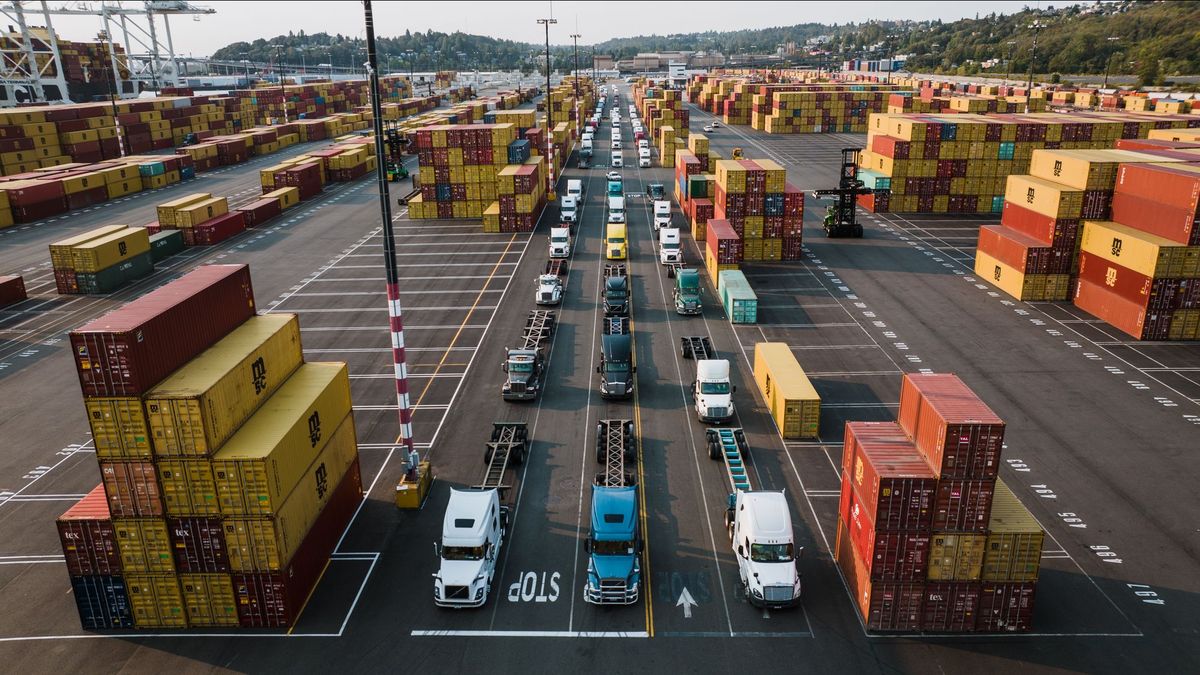
Sacramento sits where Interstates 5 and 80, US 50 and SR 99 meet, with rail, a river port and an air cargo airport nearby. This explains how each link works, how driver hours and Sierra chain controls change delivery reach and how to test a site against your own orders.
Breaking Down Freight After Arrival

SacramentoWarehouse.com
Table Of Content

Contact us anytime!
What Inbound Freight Breakdown Involves
Inbound freight breakdown is the work of splitting an arriving load into the units a warehouse or its customers need. A full container or mixed pallet becomes sorted cartons, rebuilt pallets or single items, each counted and labeled.
Done well, it sets up accurate inventory and smooth outbound shipping. Done poorly, it spreads errors across every order that follows.
Before Breakdown Starts
Before anything else, secure the trailer or container. Federal rules require brakes set and wheel chocks in place during loading and unloading with powered industrial trucks. The powered industrial truck standard includes that requirement.
Then check the seal, open the doors and photograph the load. Shifted or crushed freight needs a record before anyone touches it.
Steps in Inbound Freight Breakdown
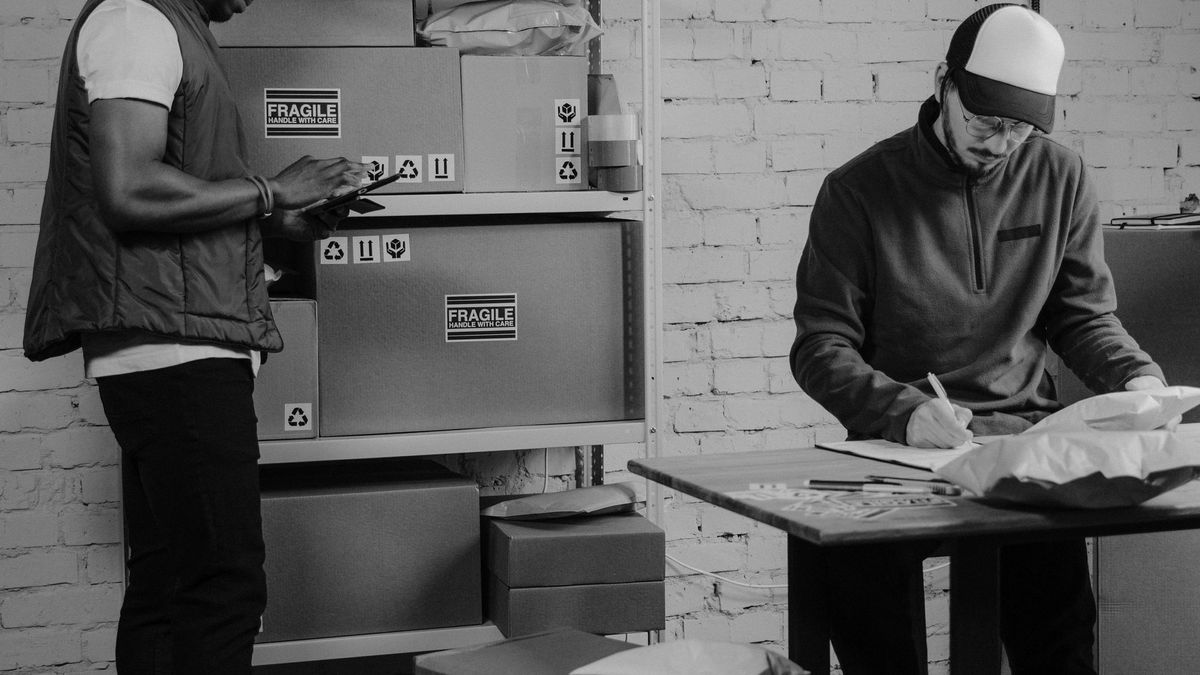
- Unload pallets or cartons to a staging area
- Count against the packing list or advance notice
- Sort by item, lot or destination
- Rebuild pallets or place cartons on shelves
- Label each new unit
Because each step depends on the one before, errors compound. So if the count is wrong, the sort will be too.
Floor Loaded Freight
Containers often arrive floor loaded, with cartons stacked from floor to ceiling. As a result, breaking those down takes the most labor. Workers pull cartons by hand, often onto a conveyor or new pallets.
That work also brings strain risk. Heavy cartons, high reaches and long shifts call for planned breaks and safe lifting. The OSHA warehousing page covers common hazards.
Inbound Freight Breakdown Errors
In most cases, errors come from rushing and from unclear labels. For example, staff mix similar cartons, skip lot numbers or rebuild a pallet so fast that it leans.
The guide on pallet rebuilding explains how to rebuild loads that stay stable. The article on receiving counts covers counting methods.
Records to Keep
After the work ends, keep the original packing list, the unloading count, photos and a record of each new unit created. Link every new pallet or carton back to the original container or trailer.
For example, a hypothetical toy importer might break one container into 30 store pallets. If one store later reports a short pallet, the breakdown record shows which cartons went into it and who built it.
Planning Labor
Breakdown time varies with load type, carton count and how many items are mixed together. So ask the warehouse for its typical timing on loads like yours, and give it advance notice so it can staff the dock.
Also agree on what happens when a load arrives far from its plan. When a container holds more items than expected, or arrives badly shifted, the breakdown may take much longer. A short note in the agreement about extra labor charges prevents surprises on the invoice.