A combined load can carry freight from several suppliers for several receivers, so one truck number cannot show where each order is. This explains the three tracking levels, what federal bill of lading rules require, how GS1 pallet labels and X12 messages carry the trail and how to trace a missing pallet.
What Happens During a Pallet Cross Dock Transfer

SacramentoWarehouse.com
Table Of Content

Contact us anytime!
The Path of Cross Dock Pallet Transfers
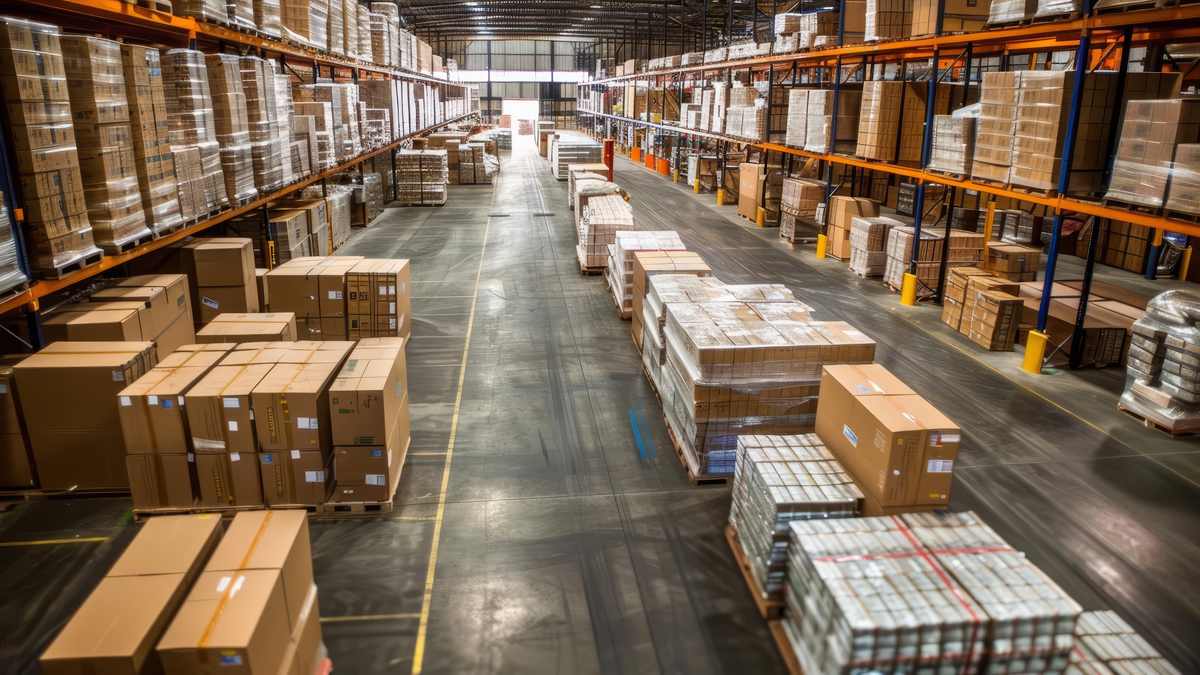
Cross dock pallet transfers follow a short path. A pallet comes off an inbound trailer, gets checked, crosses the floor to a staging lane and goes onto an outbound trailer. The whole trip may take less than an hour.
Short does not mean simple, though. Each step has a check, and each check can stop the pallet.
Unloading the Inbound Trailer
Before a forklift enters a trailer, the trailer needs to be secured. Federal rules call for brakes set and wheel chocks in place on trucks and trailers during loading and unloading by powered industrial trucks. The powered industrial truck standard contains that rule.
Staff then pull each pallet and check its label, count and condition against the paperwork.
Checks at the Receiving Door
- Pallet count against the bill of lading or advance notice
- Label and destination
- Visible damage such as crushed corners or torn wrap
- Seal number if the trailer arrived sealed
Problems get written up on the spot. A damaged pallet may go to a hold area instead of the outbound lane. The article on freight handling damage explains the common causes.
Crossing the Floor
Next, the pallet moves to a staging lane assigned to an outbound route. Lanes usually match dock doors, so staff can see at a glance what belongs on each truck.
This is where mis-sorts happen. A pallet set in the wrong lane leaves on the wrong truck. Scanning labels at the lane, rather than relying on sight alone, catches many of these errors.
Loading Cross Dock Pallet Transfers Outbound
Loading follows the route. Pallets for the last stop go in first, and pallets for the first stop go in last. Weight and stacking also matter, since heavy pallets usually go on the floor and light ones on top only if the freight allows it.
After loading, staff record the pallets on the outbound bill of lading and may seal the trailer. The guide to seal numbers covers what a seal proves.
Records From Cross Dock Pallet Transfers
Good records tie each inbound pallet to an outbound trailer. That link answers the question every shipper eventually asks: where did my pallet go?
For example, a hypothetical home goods supplier might send 24 pallets through a cross dock to six stores. When one store reports a missing pallet, the transfer record shows which trailer it rode and who signed for it. Without that record, the search starts from scratch.