A combined load can carry freight from several suppliers for several receivers, so one truck number cannot show where each order is. This explains the three tracking levels, what federal bill of lading rules require, how GS1 pallet labels and X12 messages carry the trail and how to trace a missing pallet.
Freight Terminals Compared With Warehouses

SacramentoWarehouse.com
Table Of Content

Contact us anytime!
What a Freight Terminal Does
A freight terminal is a carrier facility where shipments change trucks. A warehouse is a building where goods wait, sometimes for months, until the owner calls for them. Both have docks and forklifts, so people mix them up.
The difference shows up in who controls the freight and for how long.
Inside a Freight Terminal
Less than truckload carriers run most terminals. Pickup trucks bring in shipments from many shippers during the day. Then staff sort them by destination and load them onto linehaul trailers that run overnight to other terminals.
Freight is supposed to keep moving. A pallet that sits on a terminal dock for days usually signals a problem such as a missing label, an address issue or a refused delivery.
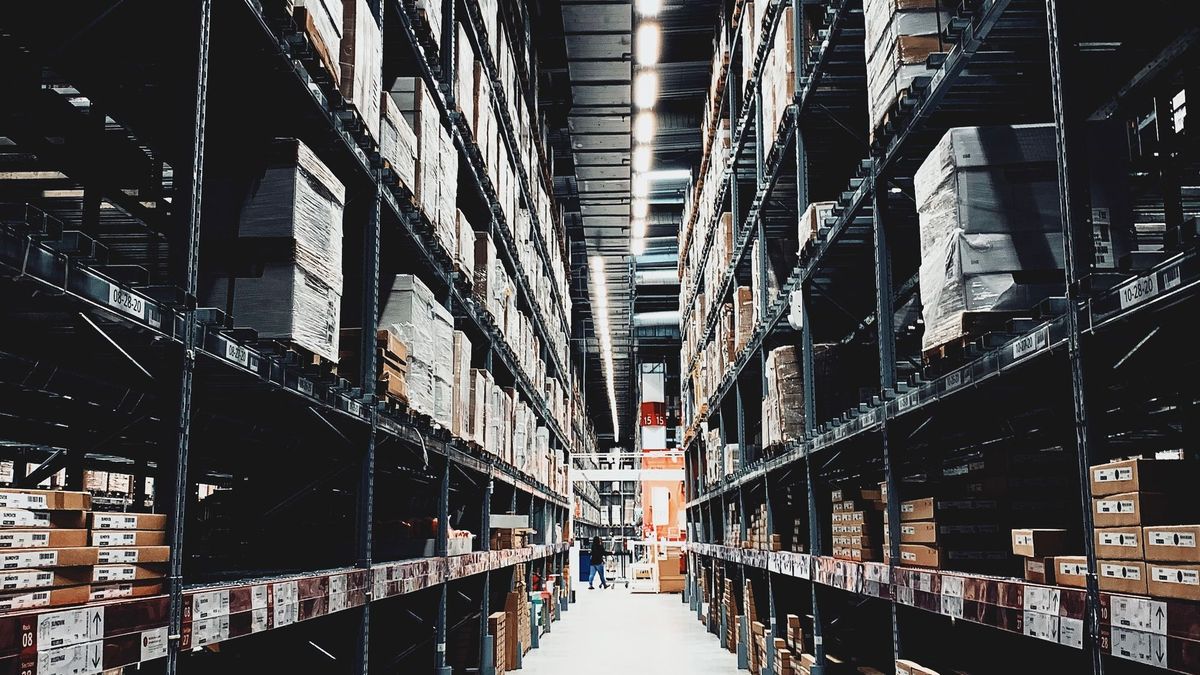
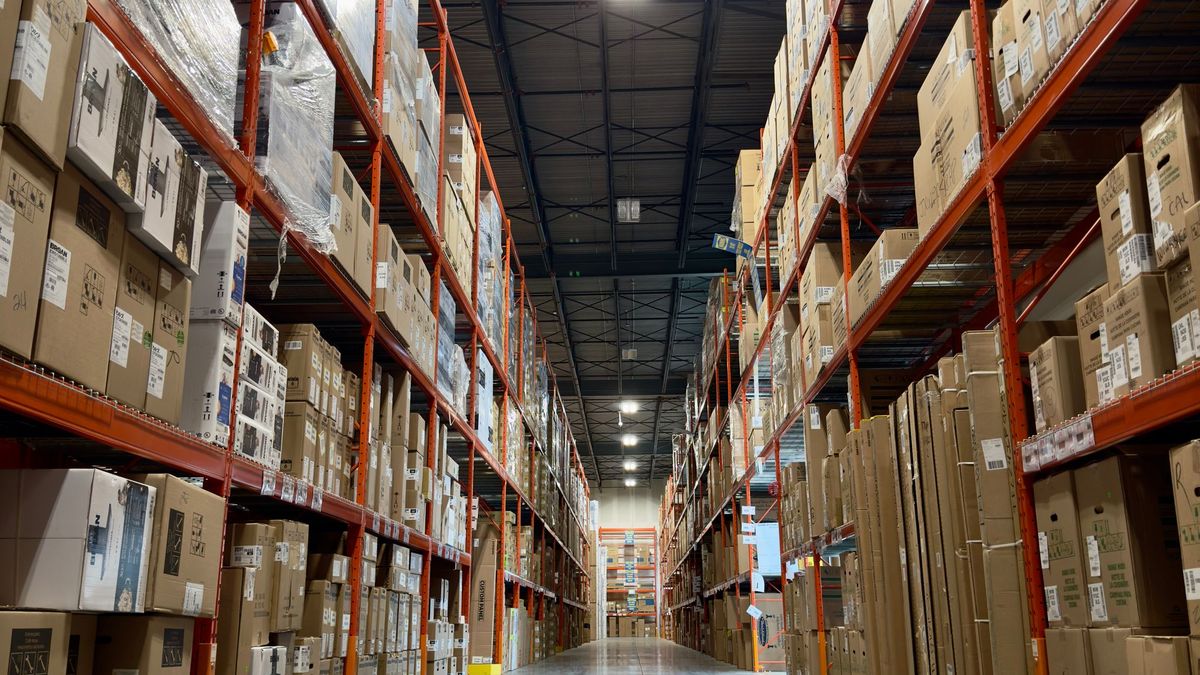
Inside a Warehouse
A warehouse stores goods on behalf of an owner. The owner decides when an order ships and where it goes. Staff track inventory by item and location instead of by shipment.
That changes the legal frame too. While goods sit in a warehouse, the storage agreement and warehouse law apply. While goods ride with a motor carrier, the bill of lading and federal carrier liability rules apply. The federal carrier liability statute covers loss and damage in interstate motor carrier transport.
Freight Terminal Versus Warehouse Paperwork
Paperwork follows the same split. At a freight terminal, the controlling document is usually the bill of lading and the carrier’s tracking record. At a warehouse, the controlling documents are the storage agreement, the receiving report and, in some cases, a warehouse receipt.
- Terminal records track a shipment from pickup to delivery
- Warehouse records track items by count, lot and location
- Both note damage and shortages at the dock
The guide to the bill of lading explains what that document proves. The piece on the warehouse receipt covers the storage side.
When the Lines Blur
Some carriers also run warehouses, and some warehouses act as cross docks. In those cases a single building can play both roles in the same week.
So ask which role applies to your freight on a given day. For example, a hypothetical furniture seller might ship through a carrier’s freight terminal on Monday and store the overflow in the same company’s warehouse on Tuesday. The liability terms for those two events may differ even though the building looks the same.
Storage Charges at a Freight Terminal
Terminals are not built for storage. Carriers often publish storage or holding charges in their tariffs for freight that stays past a free period, and those charges can add up quickly on a refused or undeliverable shipment.
A warehouse, by contrast, expects goods to stay. Its charges follow the storage agreement instead of a carrier tariff. If a shipment might wait, moving it to a warehouse can cost less than leaving it on a terminal floor, although each move adds handling and a chance of damage.
What to Ask Before Booking
First, ask whether the facility is a freight terminal, a warehouse or both. Then ask which document governs your goods while they sit there. Finally, ask how long freight can stay before storage charges start, since a terminal and a warehouse often treat that question very differently.