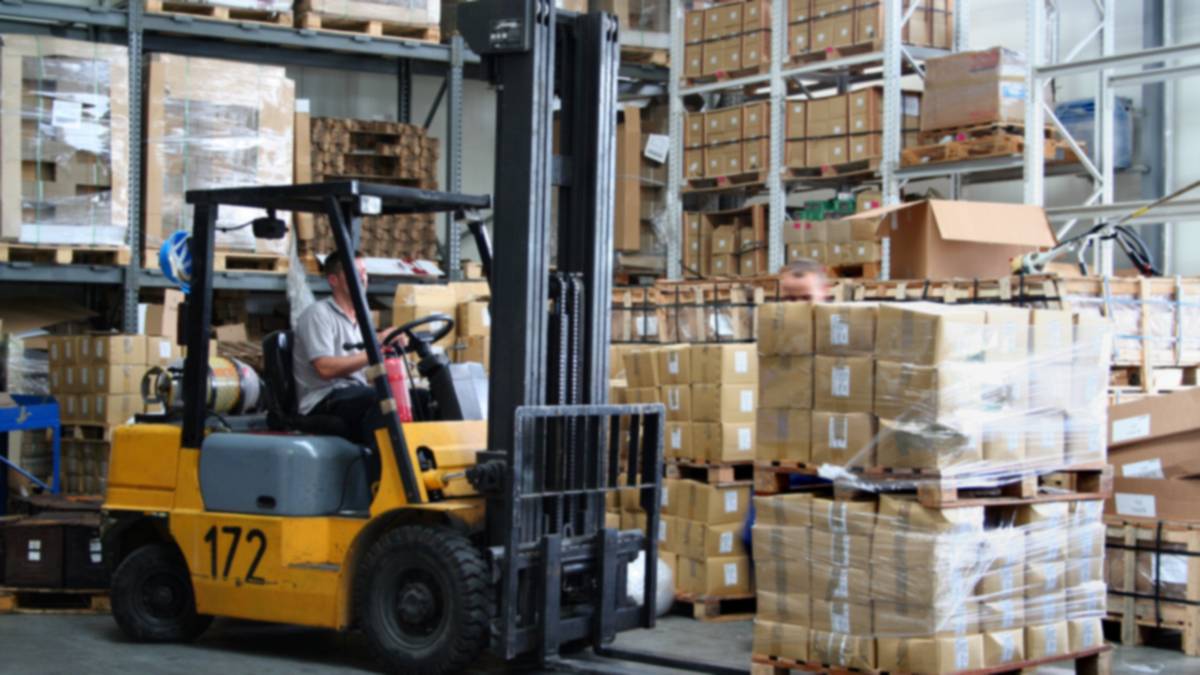
Unloading and sorting turn a full trailer into counted freight staged in the right lane. This walks through planning the sort, securing the trailer and dockboard, pulling pallets and floor loaded cartons, working in summer trailer heat, keeping food loads separate, counting as freight comes off and the points where dock errors usually start.
Who Pays Freight Lumper Fees

SacramentoWarehouse.com
Table Of Content

Contact us anytime!
The Short Answer on Lumper Fees
Lumper fees pay for loading or unloading labor at a dock. Who pays them depends first on federal law and then on the contracts between the shipper, receiver, broker and carrier.
Federal law sets a floor. Contracts decide most of the rest.
What Federal Law Says
Under 49 U.S.C. 14103, when a shipper or receiver requires a motor carrier to have help loading or unloading, the shipper or receiver must provide that help or compensate the carrier for it. Coercing a driver into paying for unloading is unlawful.
That rule does not mean the receiver always hands cash to the crew. Instead, it means a driver should not end up absorbing the cost of unloading help the receiver requires.
How Contracts Assign Lumper Fees
In practice, the carrier or driver often pays the crew at the dock. Then the carrier bills the shipper or broker, who may in turn bill the receiver or absorb the cost.
- Shipper and receiver may agree that the receiver covers unloading
- Rate confirmations may list lumper fees as reimbursable
- Carrier tariffs may set rules for advancing and recovering the fee
Each document matters, so read the rate confirmation before the truck dispatches. If it is silent on lumper fees, ask before the load moves.
Why Lumper Fees Vary
Lumper fees vary with the work. A floor loaded trailer takes far longer to unload than a palletized one. Sorting, restacking and wrapping add time as well.
Rates also differ by facility. Some receivers post a schedule. Others negotiate with their crews and change rates over time. For that reason, no single price applies.
Receipts and Reimbursement
Reimbursement usually requires a receipt. Without one, the party that advanced the fee may not recover it. The receipt should list the facility, date, load reference, amount and type of work.
The guide on lumper receipts covers what to check on that paper. Meanwhile, the article on lumper services explains the work the fee pays for.
Reducing Lumper Fee Disputes
Disputes shrink when everyone agrees on the terms before shipping. Put lumper fees in the rate confirmation, state who pays and set a deadline for submitting receipts.
A hypothetical shipper sending floor loaded cartons to a retail warehouse might switch to palletized loads. That change could reduce unloading labor at the dock, although the savings depend on the receiver’s rules and the shipper’s own pallet costs.