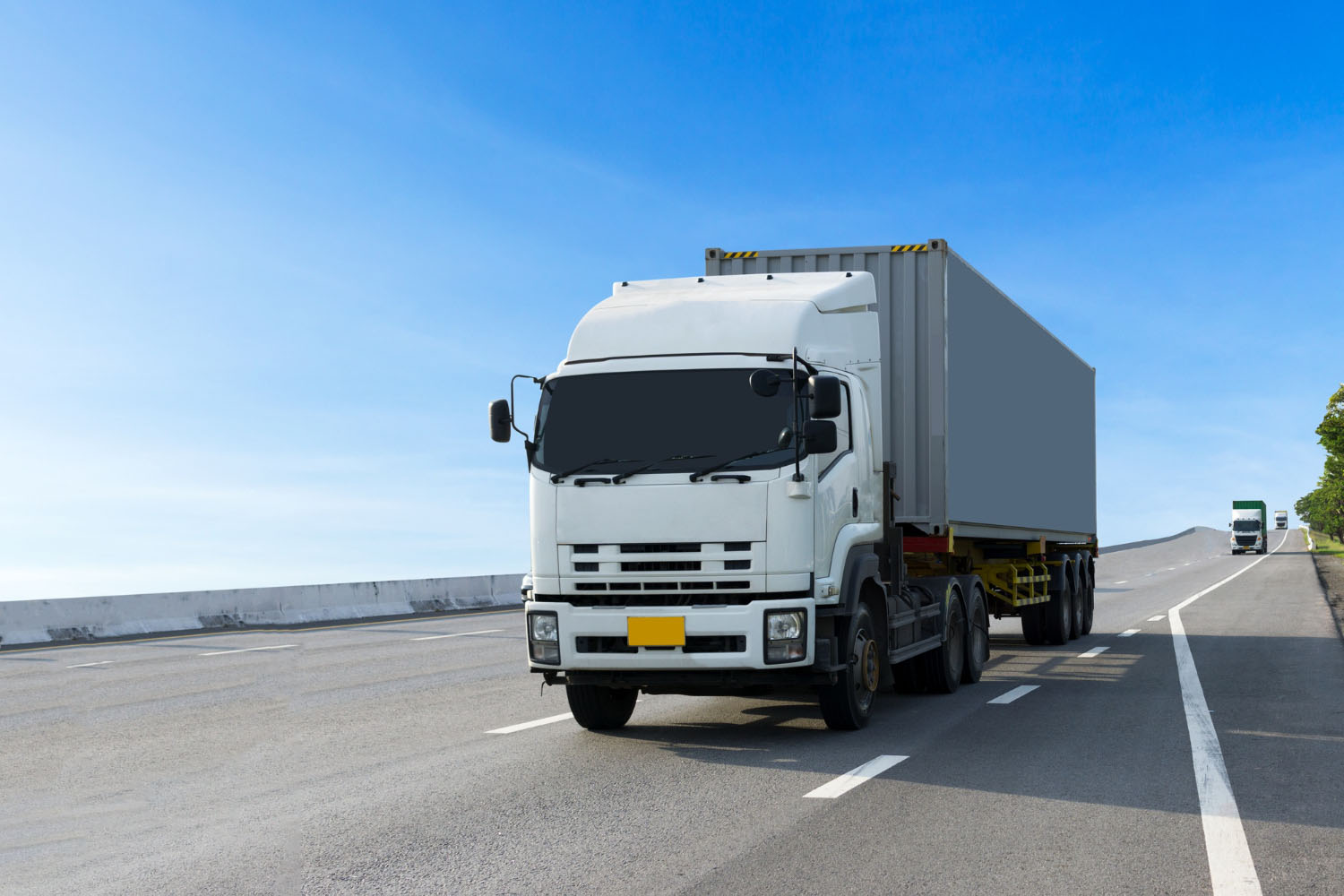
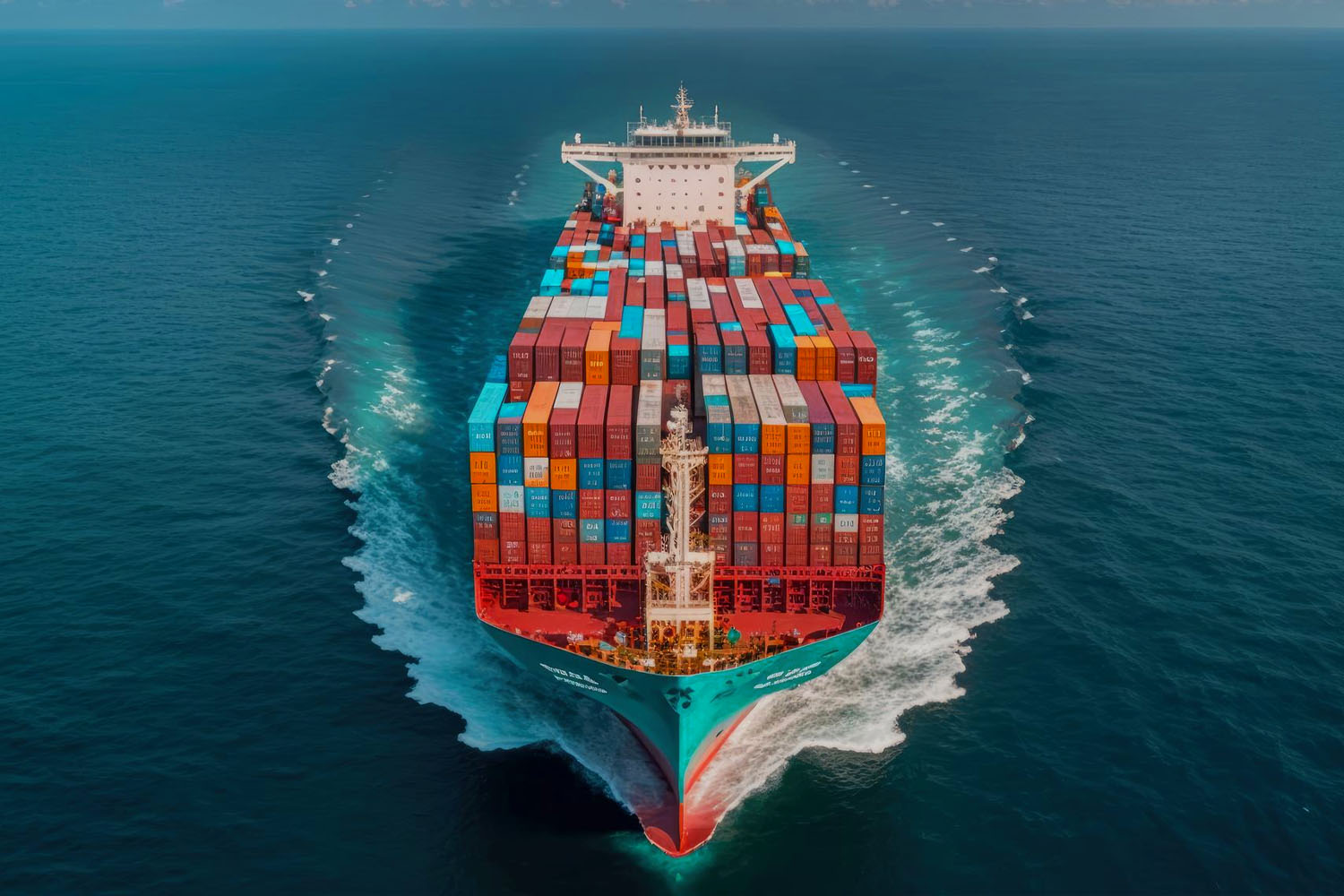
Sacramento sits where Interstates 5 and 80, US 50 and SR 99 meet, with rail, a river port and an air cargo airport nearby. This explains how each link works, how driver hours and Sierra chain controls change delivery reach and how to test a site against your own orders.
What Freight Palletizing Includes

SacramentoWarehouse.com
Table Of Content

Contact us anytime!
What Freight Palletizing Means
Freight palletizing is the work of stacking cartons or goods onto a pallet so they move as one stable unit. It covers choosing the pallet, building the stack, wrapping it and labeling it. A good pallet moves through docks, trucks and racks without falling apart.
Because so much freight moves on pallets, small mistakes in the build repeat across thousands of loads.
Choosing the Pallet
Start with a pallet in good repair. Broken boards, protruding nails and cracked blocks weaken the whole load. Then match the size to what the receiver, the carrier and the warehouse racks expect.
Some customers specify pallet type or grade. So check their routing guide before building.
Building the Stack
- Line cartons up with the pallet edges
- Avoid overhang on every side
- Place heavier cartons on the bottom
- Interlock layers when carton sizes allow
- Keep the stack level and within height limits
Column stacking, where cartons sit directly on top of each other, uses carton strength well. Interlocking, on the other hand, ties layers together for stability. Many builds mix the two.
Safety Rules Behind Freight Palletizing
Federal storage rules require tiered material that staff stack, block, interlock and limit in height so it stays stable and secure against sliding or collapse. The OSHA materials handling standard sets that baseline.
Warehouses apply it when they receive and store pallets. As a result, a warehouse may refuse a leaning or overhanging load or rebuild it at the shipper’s cost.
Wrapping and Labels
Once the stack stands complete, stretch wrap ties it together. Corner boards and top sheets add strength for tall or fragile loads. The article on stretch wrap explains wrapping technique.
Then label the pallet on at least two sides with the destination, reference numbers and contents. Mixed pallets need a list of every item.
Freight Palletizing for Shipping
Carriers price freight partly on size and weight. A taller or wider pallet may cost more to ship even if it weighs little. The guide on freight dimensions covers how size affects cost.
Also, carriers expect pallets that a forklift can enter from at least two sides. Loads that block fork openings slow every handoff.
Checking the Build
Before a pallet ships, look at it from each side. Check for lean, overhang, loose wrap and missing labels. Then photograph it.
For example, a hypothetical candle maker might photograph each pallet at the dock. If the receiver reports a crushed load, the photo shows how it left. That record helps decide whether the damage came from the build or from transit.