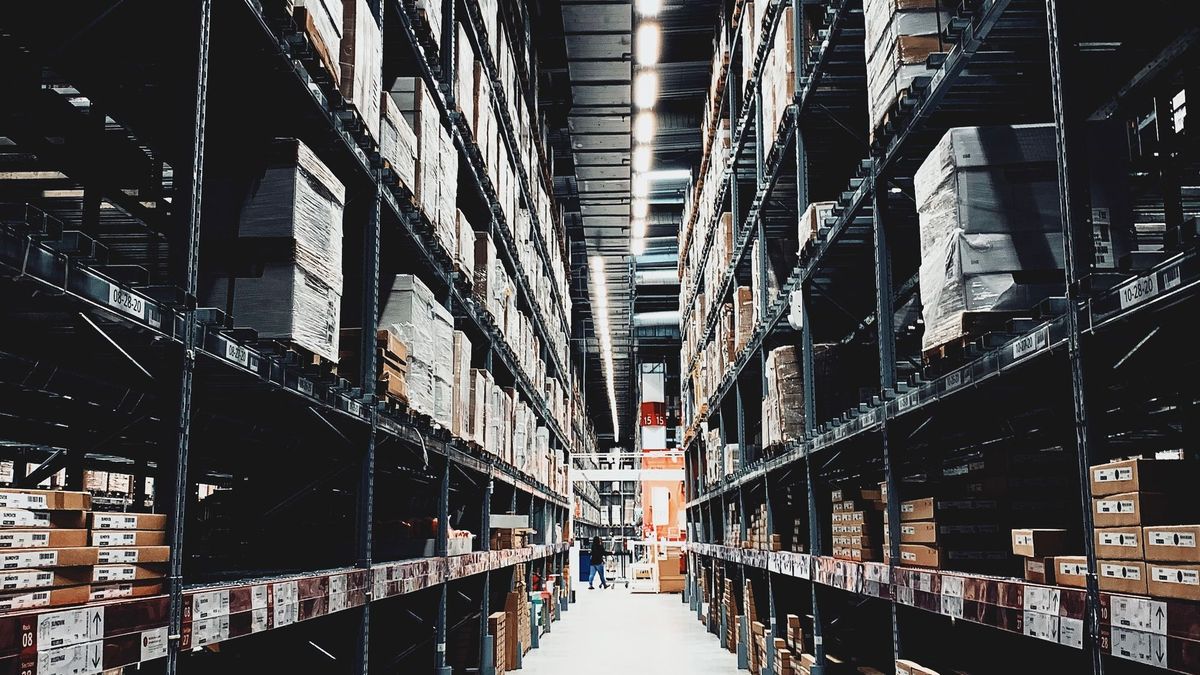
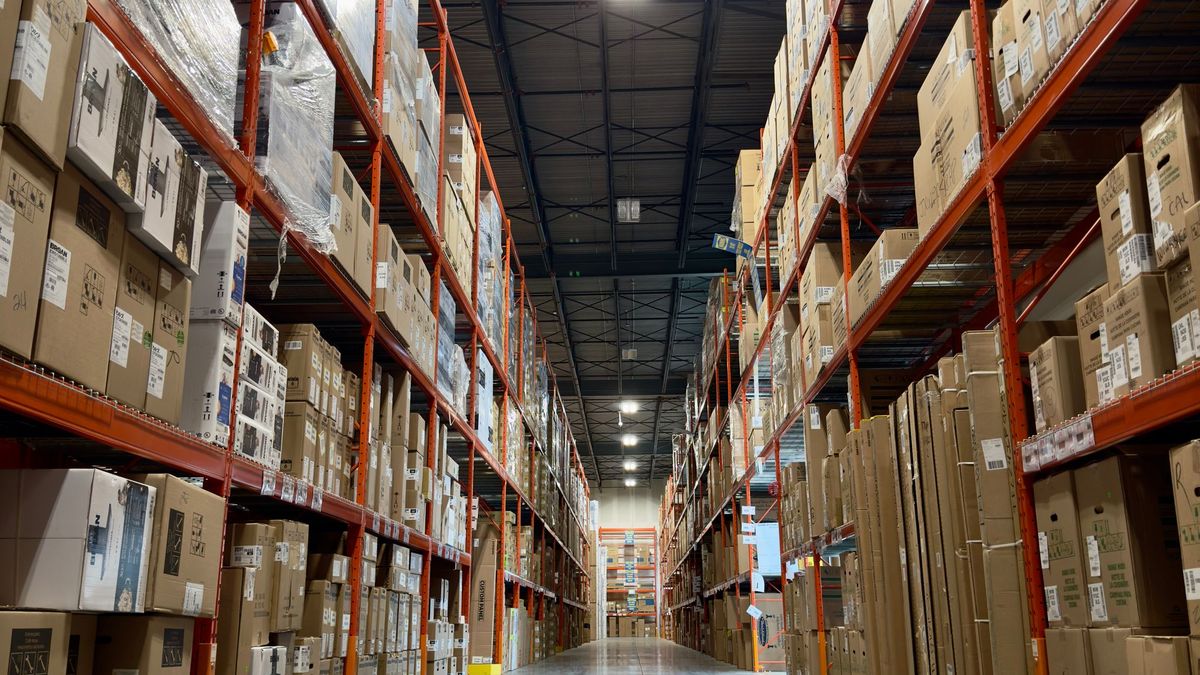
Unloading and sorting turn a full trailer into counted freight staged in the right lane. This walks through planning the sort, securing the trailer and dockboard, pulling pallets and floor loaded cartons, working in summer trailer heat, keeping food loads separate, counting as freight comes off and the points where dock errors usually start.
Public Warehousing Compared With Contract Warehousing

SacramentoWarehouse.com
Table Of Content

Contact us anytime!
How Public and Contract Warehousing Differ
Public and contract warehousing split on one question. Do you rent space and labor as you need them, or do you commit to a dedicated arrangement for a set term?
A public warehouse serves many customers under standard rates and terms. A contract warehouse signs a longer agreement with one customer and builds its staffing, space and systems around that account.
How a Public Warehouse Works
Think of it as shared space. Your pallets sit beside other companies’ goods, and you pay for what you use each month. Rates usually follow a published schedule for storage and handling.
That flexibility suits businesses with uneven volume. For example, a hypothetical gift supplier that ships heavy in autumn and light in spring can grow and shrink its footprint without a long commitment.
The tradeoff is control. Because hours, cutoffs and procedures follow the warehouse’s standard process, special requests may cost extra or wait in line behind other accounts.
How Contract Warehousing Works
A contract arrangement runs for a defined term. The provider may assign dedicated space, a dedicated team or both. Pricing often mixes fixed charges with variable ones tied to volume.
In return, though, the customer gets more say in procedures. Receiving checks, labeling steps and reporting can follow the customer’s rules instead of a house standard.
Still, a contract carries risk. If volume falls, fixed charges keep running. Exit terms, minimums and renewal dates deserve close reading before signing.
Comparing Public and Contract Warehousing Costs
Price comparisons between public and contract warehousing rarely line up neatly. One quote may bundle labor into storage while the other lists every touch as a separate line.
Build your own volume model first. To do that, count expected inbound pallets, monthly storage positions and outbound orders. Then price both quotes against the same numbers. The article on comparing logistics quotes explains how to normalize them.
- Storage basis such as per pallet, per square foot or per cubic foot
- Handling charges for inbound and outbound moves
- Minimum monthly charges
- Accessorial charges for special labor
Legal Terms in Both Models
The legal frame looks similar in both cases. The Uniform Commercial Code treats a warehouse as a business that stores other people’s goods for a fee, and its rules on receipts, care and liens apply either way. Its warehouse lien section explains how a provider can hold goods for unpaid storage and handling charges.
Liability limits deserve attention too. Many agreements cap damages per pound or per unit.
Because the code allows such limits by agreement, the number in your contract usually controls. For that reason, ask a licensed insurance professional whether your own coverage fills the gap. The guide on warehouse liability insurance defines the common terms.
Which Model Fits Which Business
In general, public warehousing tends to fit new shippers, seasonal sellers and companies testing a new region. Contract warehousing, on the other hand, tends to fit steady, predictable volume and businesses with detailed handling rules.
In practice, many companies start public and move to contract once volume settles. Others keep a public site for overflow while a contract site handles base volume. Either way, the warehouse service agreement is where the real differences show up.