A combined load can carry freight from several suppliers for several receivers, so one truck number cannot show where each order is. This explains the three tracking levels, what federal bill of lading rules require, how GS1 pallet labels and X12 messages carry the trail and how to trace a missing pallet.
Cold Storage Compared With Ambient Warehousing

SacramentoWarehouse.com
Table Of Content

Contact us anytime!
The Core Question in Cold Storage Versus Ambient
Ambient warehousing stores goods at the building’s normal indoor conditions. Cold storage holds goods in refrigerated or frozen rooms set to a controlled range. In cold storage versus ambient decisions, the product decides: does it need temperature control for safety or quality?
If it does, ambient space is not an option. If it does not, cold space usually costs more than it is worth.
What Ambient Warehousing Covers
Ambient warehouses hold dry goods, packaged products, hardware, paper and many other items. Temperature still varies with the seasons, and some sites add heating or cooling for comfort or product care.
However, they do not promise a set temperature range. For goods sensitive to heat, that difference matters a great deal in a Sacramento summer.
What Cold Storage Covers
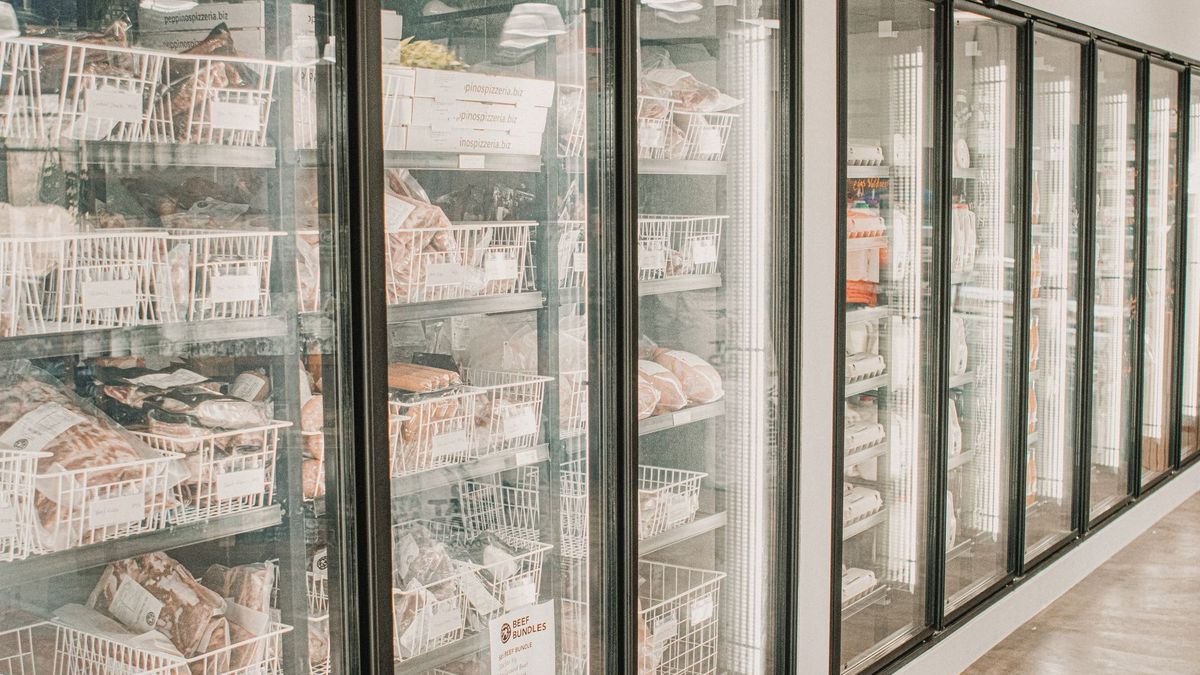
Cold storage includes chilled rooms for produce, dairy and some medicines. It also includes frozen rooms for frozen foods. Each room holds a set range, monitored and recorded.
Cold sites also need cold docks or sealed doors, so goods do not warm during loading. The article on reefer handoffs covers that step.
Cold Storage Versus Ambient Handling
- Cold goods move quickly between truck and room
- Staff work in cold conditions with breaks and gear
- Equipment must run in low temperatures
- Ambient goods allow more time at the dock
Because of these limits, cold handling usually costs more per pallet than ambient handling.
Rules and Records
Food that needs temperature control for safety falls under federal sanitary transportation rules during transport. The rules in 21 CFR Part 1 Subpart O place duties on shippers, loaders, carriers and receivers.
In storage, temperature logs and alarm records show whether goods stayed in range. The guide on cold chain records explains what those records should contain.
Cold Storage Versus Ambient Costs
Cold storage costs more for space, energy and labor. Ambient storage costs less but offers no temperature promise. Rates vary widely, so no figures appear here.
In any cold storage versus ambient comparison, weigh the cost of cold space against the cost of product loss. For example, a hypothetical chocolate maker might store most stock in ambient space during winter but move it to chilled rooms in summer. Whether that split works depends on the product’s own temperature limits.
Choosing for Your Product
Start with the manufacturer’s storage instructions and any regulatory limits. Then match the warehouse type to those needs. The article on temperature controlled storage explains the main ranges in more detail.