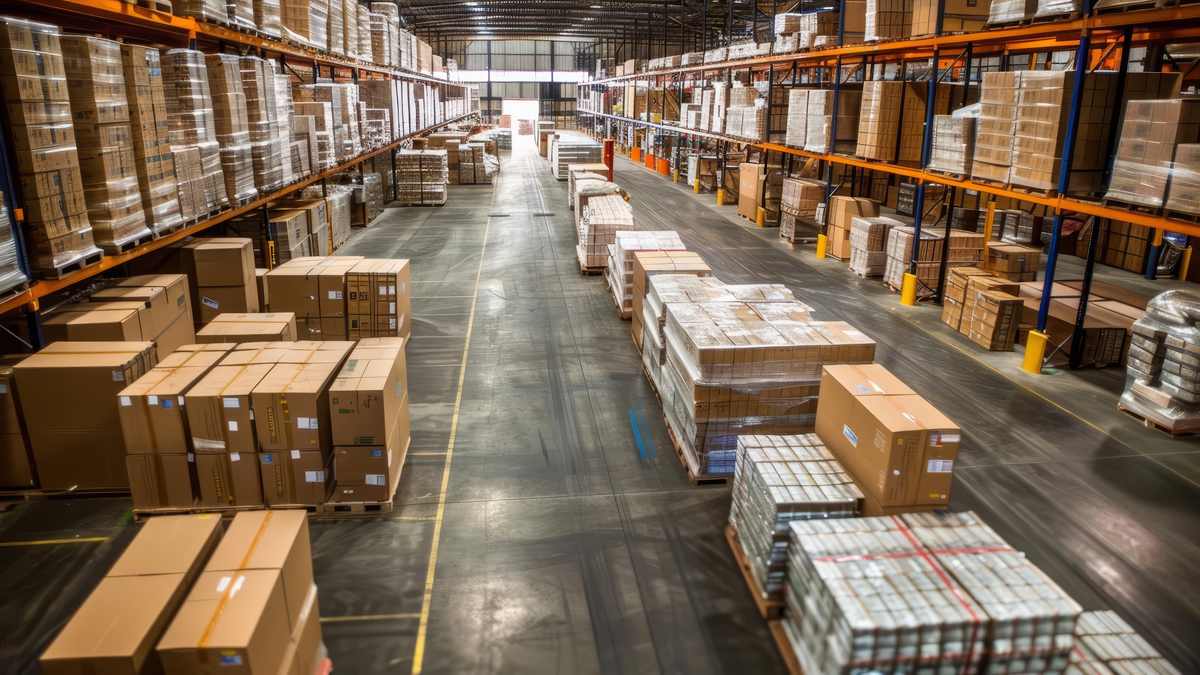
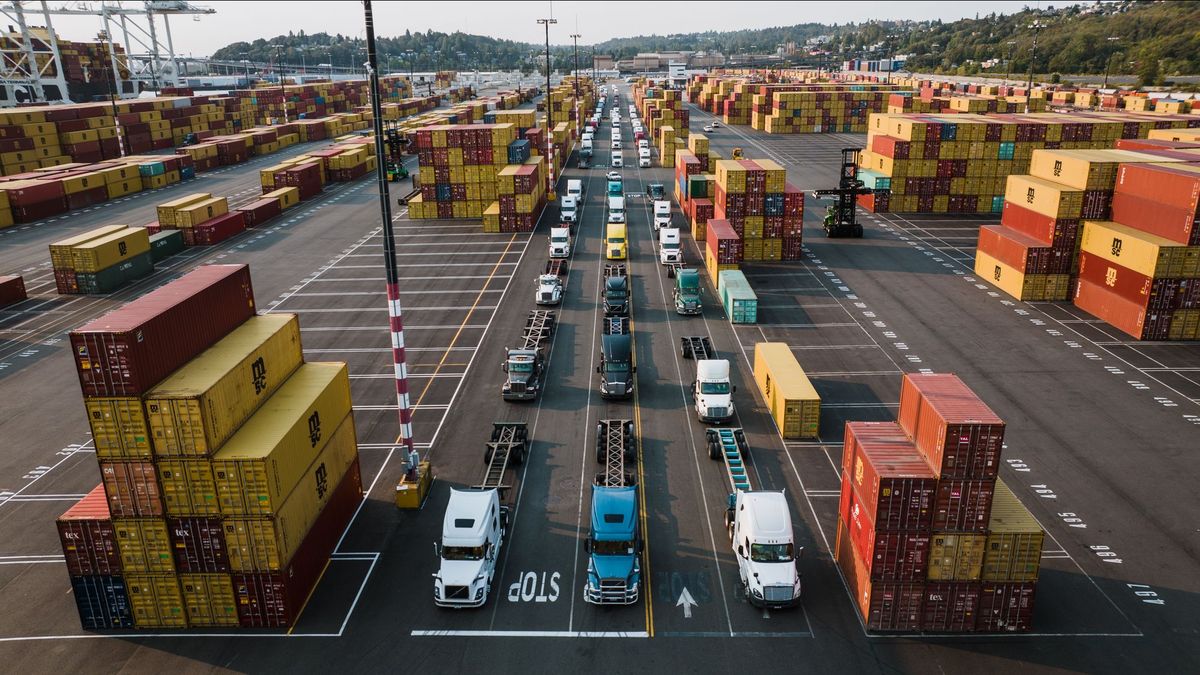
Unloading and sorting turn a full trailer into counted freight staged in the right lane. This walks through planning the sort, securing the trailer and dockboard, pulling pallets and floor loaded cartons, working in summer trailer heat, keeping food loads separate, counting as freight comes off and the points where dock errors usually start.
How Cross Docking Affects Freight Handling

SacramentoWarehouse.com
Table Of Content

Contact us anytime!
How Cross Dock Freight Handling Differs
Cross dock freight handling removes the storage step. Freight comes off one trailer and goes onto another, so it skips put away, storage and picking. Fewer touches can mean less damage, but the remaining touches happen fast and under pressure.
That tradeoff shapes how a cross dock checks, sorts and loads freight.
Fewer Touches in Cross Dock Freight Handling
A storage warehouse may touch a pallet four or more times: unload, put away, pick and load. A cross dock usually touches it twice, once to unload and once to load, with a short move in between.
Each touch carries some risk of a dropped carton or a forklift strike. So cutting touches tends to help. However, the speed of a cross dock can offset that benefit if staff rush.
Checks Happen Faster
At a storage site, a receiving clerk may have hours to check a load. At a cross dock, the outbound truck may be waiting. As a result, checks need to be quick and consistent.
- Count pallets or cartons against the paperwork
- Scan or read destination labels
- Note visible damage before the freight moves
The article on receiving counts explains how count checks work in more detail.
Floor Congestion and Safety
Freight that stalls on the floor causes trouble. Staging lanes fill, forklifts work around stray pallets and aisles narrow. OSHA’s rules on materials handling and storage call for safe clearances where mechanical handling equipment operates, and a crowded cross dock tests that limit.
For that reason, a cross dock that cannot clear its floor between waves often sees more damage, not less.
Handling Mixed Freight
Mixed loads add another layer. A single inbound trailer may hold pallets for several outbound routes, along with loose cartons that need sorting. Each carton needs a readable label, or it waits for someone to research it.
The guide on mixed freight sorting covers how docks break down those loads.
What Shippers Can Control
Shippers shape cross dock freight handling more than they may realize. Sturdy pallets, tight wrap and clear labels let staff move freight without stopping. Accurate advance notices let the dock plan labor.
A hypothetical appliance parts maker might switch from loose cartons to labeled pallets for its cross dock lanes. That change alone removes a sorting step at the dock.
Packaging counts as well. Cartons that crush under a second layer force staff to build shorter pallets or handle each piece by hand. When a shipper tests its packaging against the stacking it will face on the dock, fewer loads stall for rework. Whether it saves money depends on the maker’s own costs and volumes.