Inventory rarely holds steady all year. Peak seasons, harvests and promotions push space needs up and down, and planning ahead helps businesses avoid crowded buildings or rushed overflow deals.
How Safety Stock Influences Warehouse Space

SacramentoWarehouse.com
Table Of Content

Contact us anytime!
What Safety Stock Does
Safety stock is inventory held beyond expected demand to cover surprises. Demand can spike, suppliers can run late and shipments can arrive short. This buffer absorbs those shocks so orders still ship.
That buffer takes space. So buffer decisions are warehouse space decisions too.
What Drives the Amount
- Week to week demand swings
- Supplier lead time length
- Lead time variation
- The service level the business wants to reach
Because of that, more variation means a bigger buffer. Longer and less predictable lead times push it higher as well. A higher service target, such as fewer stockouts, also raises it.
Safety Stock and Space
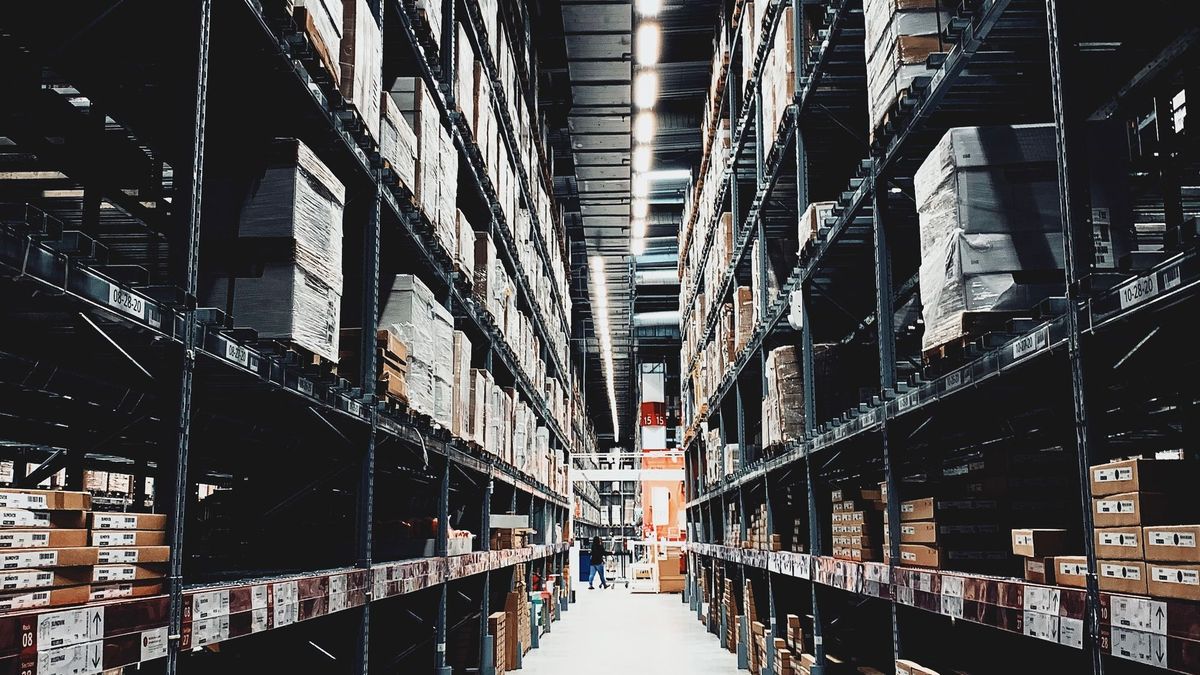
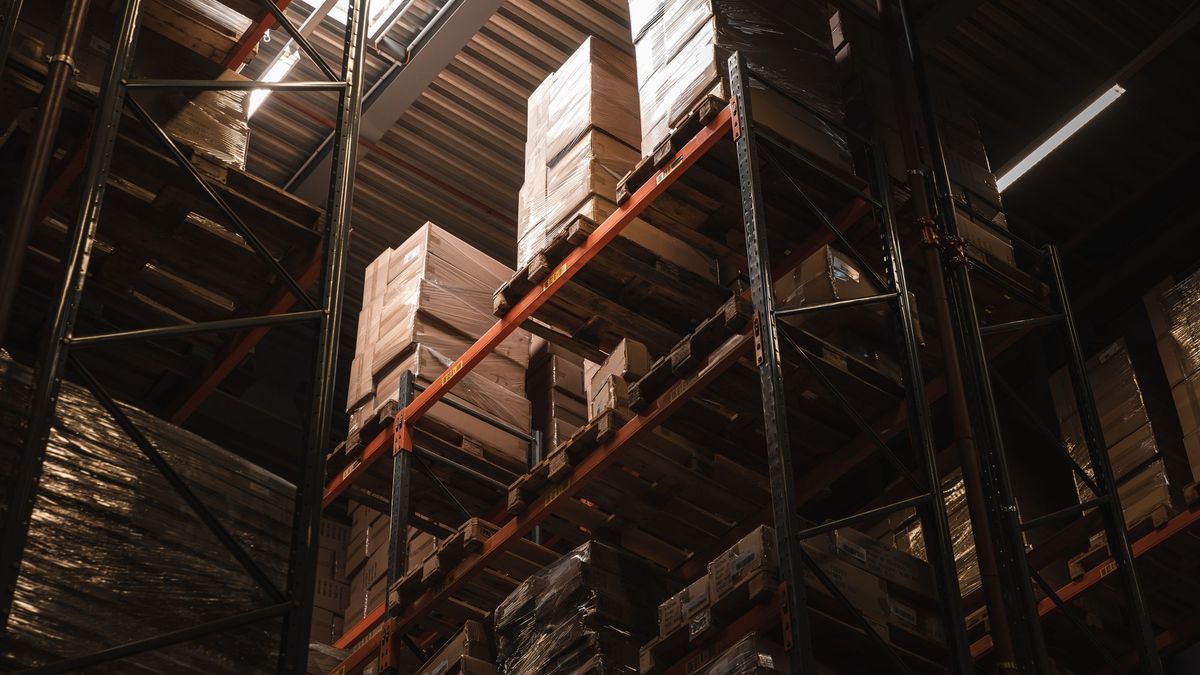
Every extra unit needs a location. For pallet goods, that may mean extra rack positions. For small items, more shelf space.
As a result, raising buffers across many items can add up to a large space increase. The article on warehouse storage fees explains how that space shows up on the bill.
Network Effects
In a network with several warehouses, each site usually needs its own safety stock. In total, the network’s buffers often exceed what one site would need for the same demand.
That is one reason multi site networks tend to hold more inventory. The guide on single versus multi warehouse networks covers the tradeoff.
Lowering Safety Stock
Shorter and steadier lead times reduce the need, while better forecasts and faster replenishment help too. Some businesses negotiate supplier programs that ship smaller loads more often.
However, each change has its own cost. Faster replenishment may raise freight costs even as it lowers inventory.
Accounting and Carrying Cost
Inventory ties up cash and carries costs for storage, insurance and possible obsolescence. Tax rules also cover how a business values inventory, and IRS Publication 538 covers inventory methods. An accountant can advise on specific treatment.
Reviewing Safety Stock
Review safety stock levels when demand patterns or suppliers change. A level set for last year’s conditions may be too high or too low now.
For example, a hypothetical parts distributor that switched to a closer supplier might find it can cut safety stock on those items. The freed space could then absorb growth without a larger lease.
Asking the Warehouse for Help
A warehouse sees how often items run low and how long receipts take to arrive. Ask for reports on stockouts and receiving delays by item. Those facts help set buffers on evidence instead of guesses. The article on supply chain disruptions covers when buffers need to rise instead.