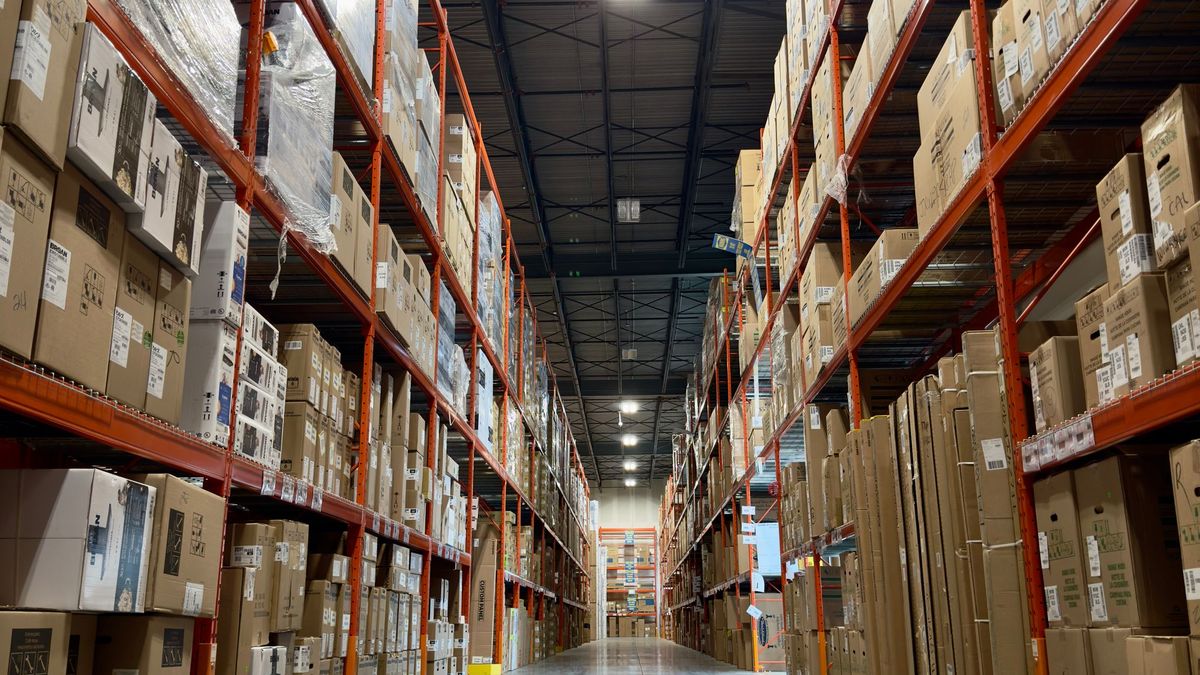
Buffer inventory protects against stockouts, but every extra case needs a place to sit. Understanding how safety stock drives space helps businesses plan storage more realistically.
Why Warehouse Space Needs Change Seasonally

SacramentoWarehouse.com
Table Of Content

Contact us anytime!
Why Seasonal Warehouse Capacity Swings
Seasonal warehouse capacity changes because demand changes. Retail stock builds before holidays, garden goods peak in spring and food freight follows harvests. Space, labor and dock time all tighten at the same moment many other shippers want them.
Planning early is the main defense.
What Gets Tight
- Storage positions as inventory builds
- Dock doors and appointment slots
- Labor for receiving, picking and shipping
- Carrier capacity in the region
Each one can become the limit. A warehouse with open racks but no open dock slots still cannot take more freight.
Reading Your Own Pattern
Start with at least a year of weekly inventory and order data. Mark where stock builds and where orders peak. Then add supplier lead times to see when inbound freight must arrive.
Public data can add context. The Census Bureau’s retail trade estimates show national seasonal patterns, though your business may differ.
Options for Peak Seasonal Warehouse Capacity
Overflow space with the current provider, a second public warehouse, short term storage agreements and drop trailers can all add room. Each carries its own cost and handling.
The article on seasonal inventory storage covers those options in more detail.
Labor and Docks
Space is only part of the problem. Warehouses add temporary labor for peaks, and training takes time. Ask how your provider staffs up and how early it needs your forecast.
Docks also fill. Book appointments early, and spread inbound freight over more days where possible.
After the Peak
When the season ends, inventory drains and extra space sits empty. Plan the exit as carefully as the entry. Check minimum terms on overflow agreements so you do not pay for empty space.
Planning Seasonal Warehouse Capacity Each Year
Review last year’s peak: what ran short, what sat unused and where costs ran high. Then share a forecast with your provider months ahead.
For example, a hypothetical toy importer might find that its dock slots, not its racks, limited receiving last season. Spreading container arrivals over more weeks could solve that without adding space. The guide on appointment scheduling explains how dock slots work.
Sharing Forecasts
Providers plan their peaks across many clients. A forecast shared early gets your volume into that plan. A forecast shared late may land your freight in overflow space or push your receipts to less convenient days. Even a rough forecast, updated monthly, gives the provider something to work with.