Inventory rarely holds steady all year. Peak seasons, harvests and promotions push space needs up and down, and planning ahead helps businesses avoid crowded buildings or rushed overflow deals.
Why Driver Check In Rules Matter

SacramentoWarehouse.com
Table Of Content

Contact us anytime!
What Driver Check In Covers
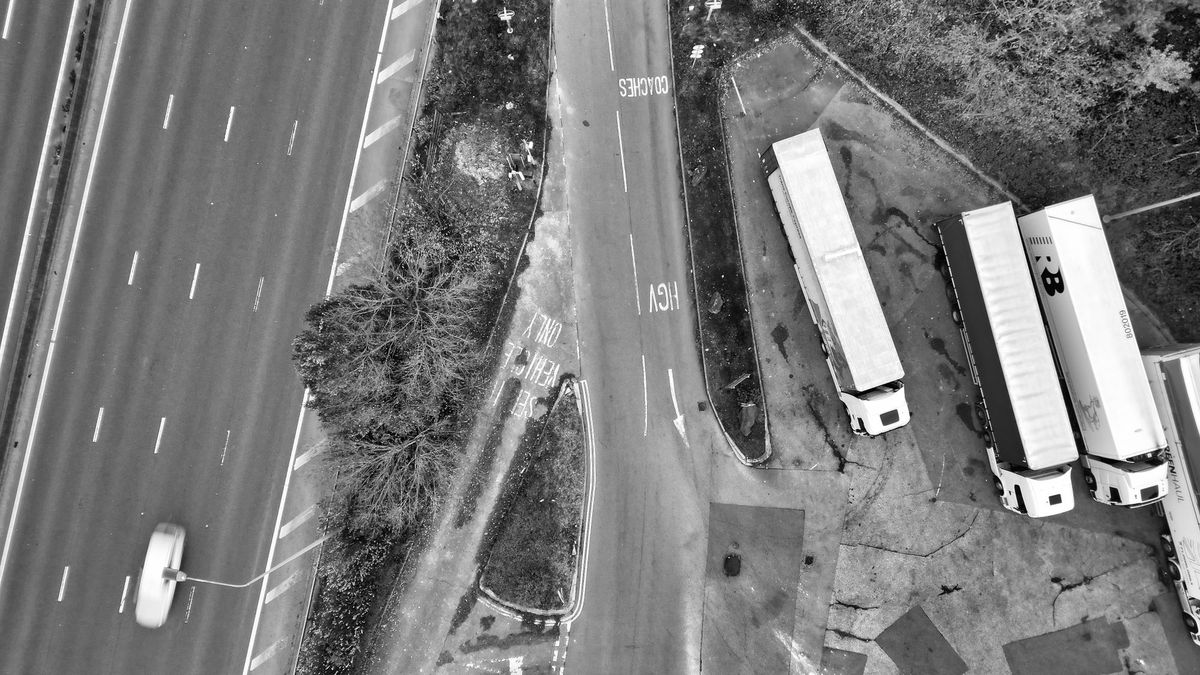
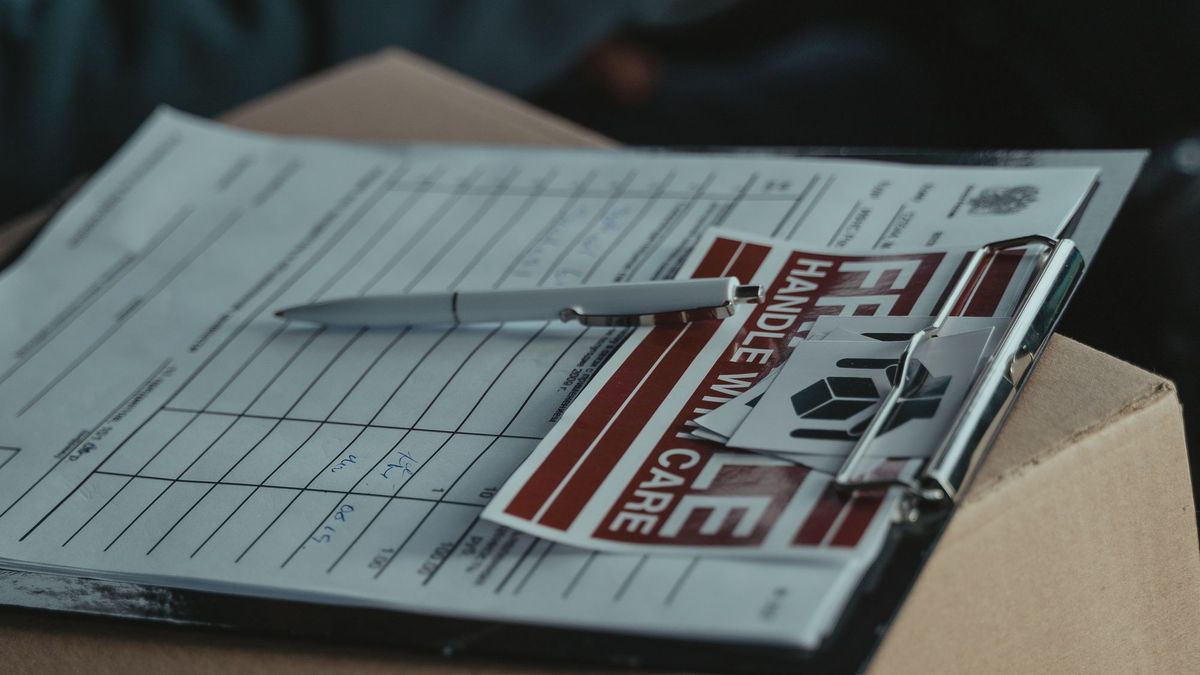
Driver check in is the process a driver follows on arrival at a warehouse. The driver reports to a gate or window, shows the load and appointment details and receives a door or a parking spot. The warehouse records the time and the trailer.
Those few minutes create a record that matters for safety, billing and claims.
Typical Driver Check In Steps
- Report to the gate, guard shack or receiving window
- Give the appointment, load and trailer numbers
- Show identification if the site requires it
- Receive a door assignment or yard spot
- Follow site rules for waiting and safety
Sites differ, though. Some use kiosks or apps, while others rely on a clerk and a paper log.
Safety Rules on Site
In addition, warehouses set rules to keep drivers safe around forklifts and docks. For example, many require drivers to wait in a designated area during unloading. Some require high visibility vests.
Federal rules also apply at the dock. The OSHA powered industrial truck standard calls for brakes set and wheel chocks in place on trucks being loaded or unloaded by forklifts. Check in is often when staff explain how the site handles that step.
Driver Check In and Detention
The check in time starts the clock for many detention terms. If a truck arrives on time and waits for a door, the record shows it. If it arrives late, the record shows that too.
Waiting time also affects drivers under federal hours of service rules. So accurate check in times protect both carriers and warehouses in disputes. The article on detention versus demurrage explains how waiting charges work.
Security and Chain of Custody
At the same time, check in confirms that the right driver is picking up the right load. For outbound freight, matching the driver and carrier to the release order helps prevent theft by impersonation.
The guide on chain of custody covers how each handoff builds the record.
Improving the Process
Clear signs, posted hours and advance instructions shorten check in, because drivers arrive knowing what to do. Sending drivers the site rules with the appointment helps them arrive ready.
For example, a hypothetical distribution center seeing long gate lines might add a simple check in app. Faster check in reduces congestion, though the real gain depends on whether doors open on time afterward.
Records to Keep
Finally, keep gate logs with arrival, door and departure times for each truck. Those logs support detention billing, claims and safety reviews long after the truck leaves.