Inventory rarely holds steady all year. Peak seasons, harvests and promotions push space needs up and down, and planning ahead helps businesses avoid crowded buildings or rushed overflow deals.
Warehouse Receipts and Stored Goods

SacramentoWarehouse.com
Table Of Content

Contact us anytime!
What a Warehouse Receipt Is
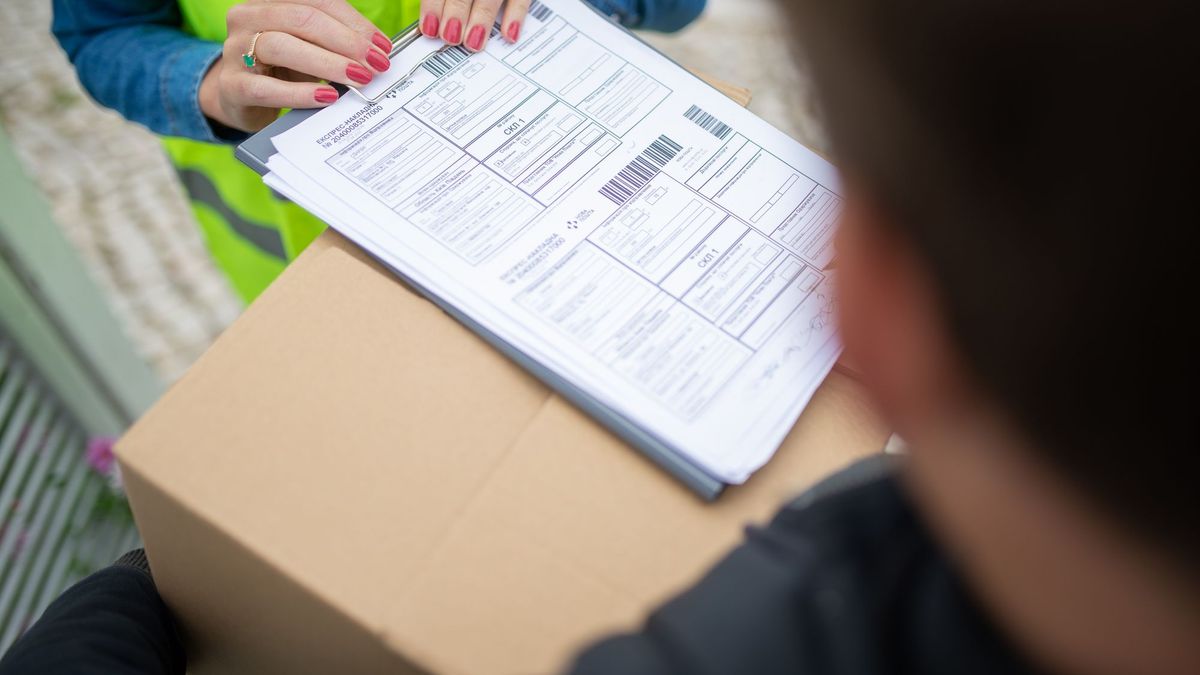
A warehouse receipt is a document a warehouse issues for goods it stores. Under Article 7 of the Uniform Commercial Code, it is a document of title, which means it can control who has the right to the goods. California adopts Article 7 as Division 7 of its Commercial Code.
Many routine storage accounts rely on receiving reports and contracts instead. Still, the receipt carries specific legal weight where it is used.
What a Warehouse Receipt Contains
The UCC section on the form of warehouse receipts lists terms a receipt should include, such as the location of the warehouse, the date of issue, a unique number, whether goods will be delivered to the bearer, a specified person or to the order of a person, the storage rate, a description of the goods and any advances or liabilities incurred.
Missing terms can expose the warehouse to liability for resulting damages.
Negotiable and Nonnegotiable Warehouse Receipt Types
A negotiable receipt says goods will be delivered to the bearer or to the order of a named person. Whoever holds it, properly negotiated, can claim the goods. Lenders sometimes accept negotiable receipts as collateral.
A nonnegotiable receipt names a specific person. The goods go to that person or on that person’s written instruction.
The Warehouse Receipt and Delivery
A warehouse generally must deliver goods to the person entitled under the receipt, subject to certain excuses. The UCC sets those rules in its section on the bailee’s obligation to deliver.
So when goods sit under a negotiable warehouse receipt, the warehouse usually needs the receipt surrendered before releasing them.
Duty of Care and Liens
The same article sets the warehouse’s duty of care and its lien for charges. A warehouse must use reasonable care, and it can hold goods for unpaid storage and handling. The article on warehouse storage fees covers the charges that lien protects.
When Receipts Matter Most
Receipts matter in commodity storage, inventory financing and sales of stored goods. They matter less in everyday third party logistics, where contracts and system records do most of the work.
For example, a hypothetical rice grower storing a crop might receive a warehouse receipt and use it to secure a loan. The lender would then hold the receipt until the loan is repaid. A business attorney can explain how receipts apply to a particular deal.
Keeping Records
Keep any warehouse receipt in a safe place, since a negotiable receipt can transfer rights to the goods. The guide on chain of custody explains how other records track goods while stored.