Inventory rarely holds steady all year. Peak seasons, harvests and promotions push space needs up and down, and planning ahead helps businesses avoid crowded buildings or rushed overflow deals.
Documenting Freight Damage for Claims

SacramentoWarehouse.com
Table Of Content

Contact us anytime!
What Freight Damage Claims Need
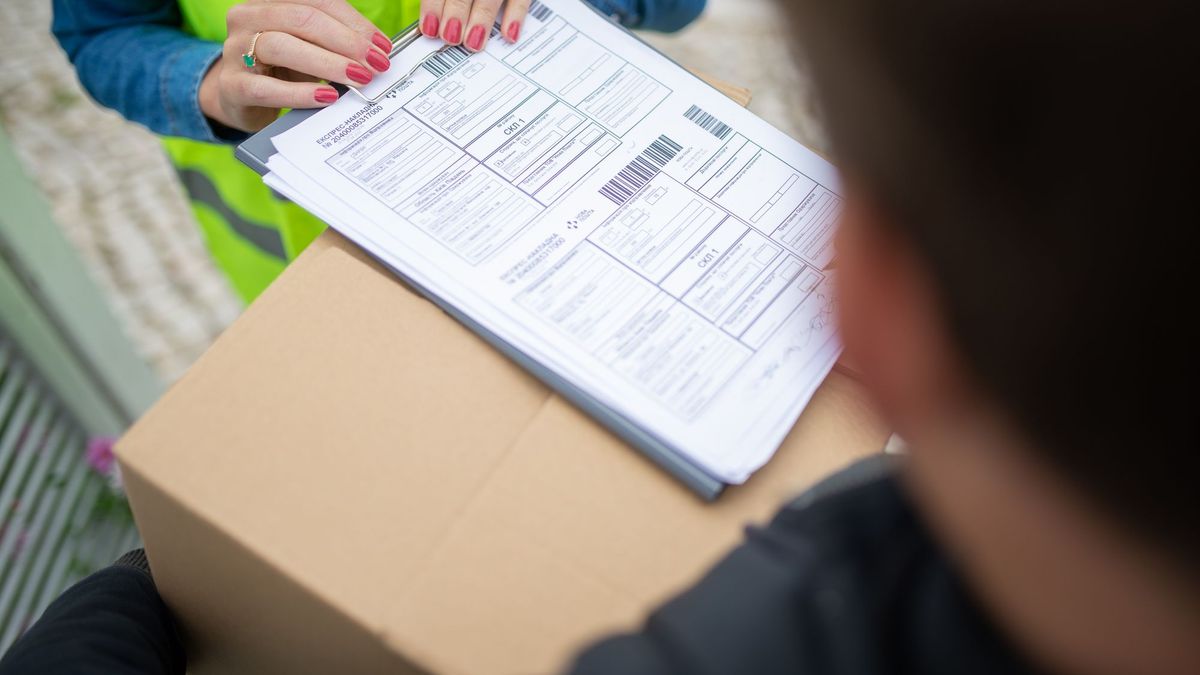
Freight damage claims succeed or fail on evidence gathered at delivery. For freight damage claims, a signed receipt with the damage noted, clear photos and the shipping documents form the core. Without those, a valid claim can stall.
Federal rules set the basic requirements for claims against motor carriers.
Evidence for Freight Damage Claims
- Damage noted on the delivery receipt before the driver leaves
- Photos of the trailer, pallet, carton and product
- Seal number and condition
- Bill of lading and packing list
- Receiving report with counts
Keep the damaged goods and packaging if possible. Carriers may want to inspect them.
Concealed Damage
Some damage only appears when cartons get opened. Report it as soon as you find it and keep everything. Delays make it harder to show the damage happened in transit.
Federal Claim Rules
Under 49 CFR Part 370, a written claim must contain facts that identify the shipment, assert liability for the loss or damage and demand a specified or determinable amount. The carrier must acknowledge it within 30 days and, within 120 days, pay, decline or make a firm settlement offer, with status updates if it cannot finish in that time.
Federal law also limits how short a carrier can make the claim period. Under the carrier liability statute, carriers may not set less than nine months to file a claim or less than two years from a written denial to bring a lawsuit.
Building Freight Damage Claims
Write the claim with the shipment reference, carrier, dates, a description of the damage and the amount claimed. Attach the evidence. State how you calculated the amount, such as invoice cost.
Then track deadlines from the start. The article on OSD report contents explains how warehouses record exceptions that feed into claims.
Warehouse Damage Versus Transit Damage
Damage inside a warehouse falls under the storage agreement, not carrier rules. Under the Uniform Commercial Code, a warehouse owes reasonable care, and the agreement may limit damages.
So identify where the damage happened before choosing whom to claim against.
Mistakes That Weaken Freight Damage Claims
Signing a clean receipt, waiting too long and discarding packaging all weaken claims. So does an amount without support.
For example, a hypothetical appliance distributor might set a rule that no driver leaves until staff photograph every damaged carton and note it on the receipt. That rule protects claims without adding much time. The guide on freight handling damage covers the usual causes. For legal advice on a specific claim, consult a transportation attorney.