Cross Docking Compared With Long Term Storage

by | Sep 9, 2026 | Cross Docking | 0 comments

SacramentoWarehouse.com

i 3 Table Of Content

How Missed Appointments Affect Freight

Missed delivery appointments often cost more than one slot. Read how federal and California hours of service limits shape the next move, when the adverse driving conditions allowance applies, why receivers may not pressure drivers, what detention research shows, which records reveal who missed and how to cut repeat misses.

Documenting Freight Damage for Claims

A damage note on the delivery receipt is not a freight claim. Read what federal rules require in a written claim, which documents support it, how carriers must respond within 30 and 120 days, the 9 month and 2 year limits, which carrier is liable, released rates, salvage and how warehouse damage differs.

How Cross Docking Affects Freight Handling

Cross dock freight handling skips put away and picking, so freight gets fewer touches on a tighter clock. Learn how labels, inbound checks, staging lanes, forklift traffic, hand sorting, outbound load order, California axle limits, cargo securement and hazmat segregation shape each move from door to door.

How to Interpret Sacramento Freight Data

Sacramento freight data comes from the Commodity Flow Survey, the Freight Analysis Framework, Caltrans traffic counts, PeMS detectors and state and regional plans. Each source counts something different. Learn how the seven county CFS area differs from the SACOG region, why tons and dollars move apart and how to keep a source log.

Frozen Storage Compared With Chilled Storage

Frozen versus chilled storage protects food in different ways, and each room carries its own risks. Federal temperature guidance, California cold storage licensing and records, FDA warehouse and transport rules, chilling injury in produce, freezer burn, thawing and slacking, dock checks and cold room worker safety all shape which room a product needs.

Why Damaged Pallet Loads Need Rebuilding

Pallet rebuilding takes a damaged or shifted load apart and builds it again so it can move and store safely. This covers warning signs, OSHA and Cal/OSHA stacking rules, photos and approvals before work starts, the rebuild steps, pooled and ISPM 15 pallets, safe lifting, food loads, new dimensions, labels, costs and rebuild tracking.

Comparing Warehouse Service Performance

Warehouse KPIs turn storage, picking and shipping work into numbers a client can track. This covers the common measures, why definitions change results, how to write a KPI definition sheet, OSHA injury rate math, California warehouse quota rules, service agreement remedies, raw count reporting and questions to ask a provider.

What an OSD Freight Report Shows

An OSD report records freight that arrived over, short or damaged compared with the paperwork. This covers what to record at the dock, delivery receipt notes, why the report is not a claim under 49 CFR 370, concealed damage, carrier tracing, overages, refusals, claim time limits and questions to ask a warehouse.

Warehouse Handling of Fragile Freight

Fragile freight depends on packaging first, then on careful marking, storage and handling. This covers carrier packing methods for parcel orders, box maker’s certificates, ISO handling marks, impact indicators at receiving, stacking rules from OSHA and Cal/OSHA, forklift practices, package testing, mixed loads, breakage tracking and questions to ask a warehouse.

What Happens During Freight Unloading and Sorting

Unloading and sorting turn a full trailer into counted freight staged in the right lane. This walks through planning the sort, securing the trailer and dockboard, pulling pallets and floor loaded cartons, working in summer trailer heat, keeping food loads separate, counting as freight comes off and the points where dock errors usually start.

Contact us anytime!

The Core Difference in Cross Docking Versus Storage

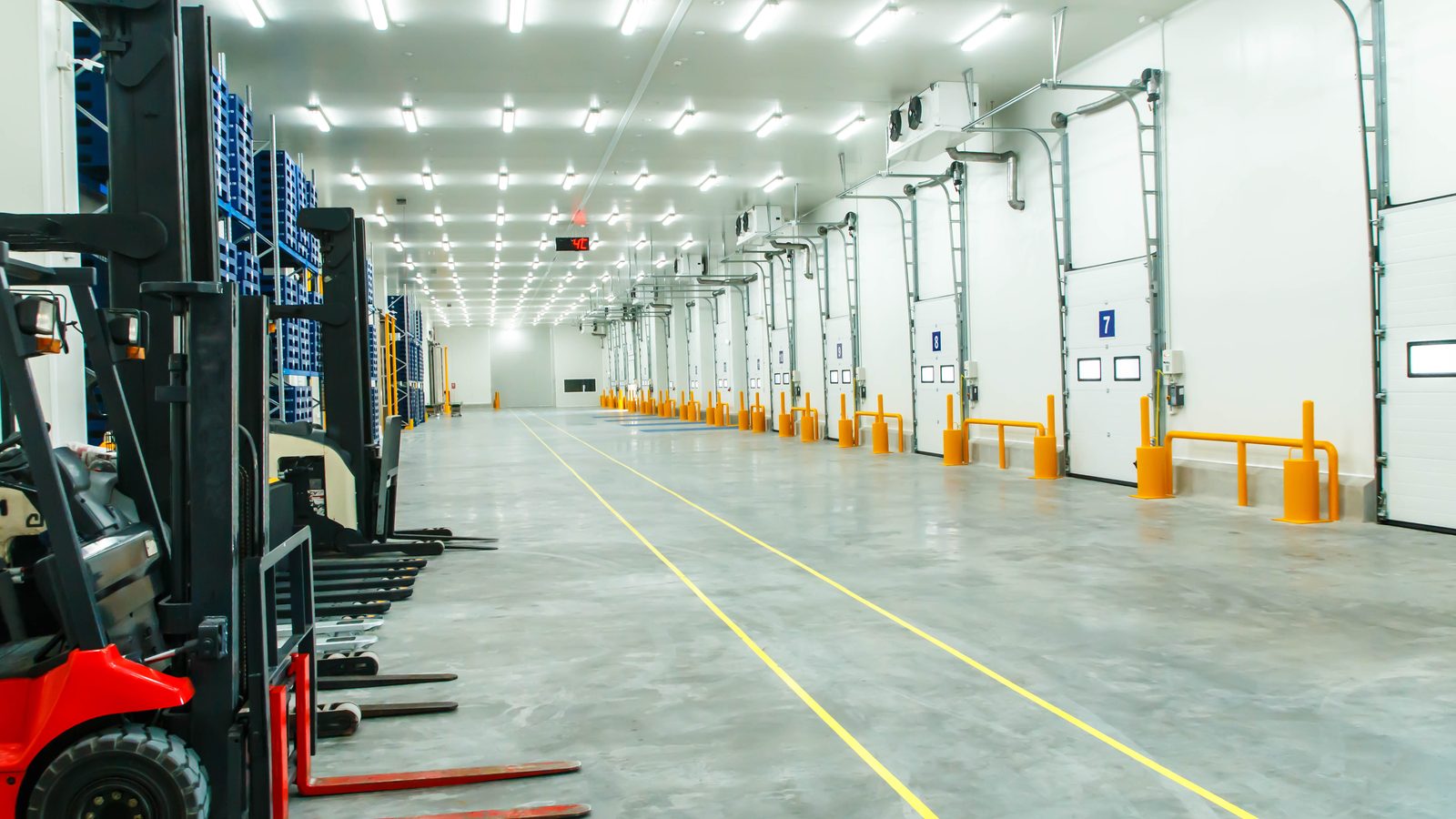
Cross docking keeps freight moving within hours. Storage holds it for days, weeks or months until an order calls for it. In cross docking versus storage decisions, the deciding factor is how long the freight needs to wait.

After that, everything else follows. Labor, space, fees and paperwork all change once freight stops moving.

Dwell Time and Space

A cross dock needs floor space for staging lanes, not racks. Freight crosses the building and leaves. If it stays overnight, it takes space meant for the next trailer.

A storage warehouse, by contrast, needs racks or floor positions. It plans for goods to stay, and it charges for the space they use over time.

Cross Docking Versus Storage Labor

Cross docking concentrates labor at the dock. Staff unload, sort and load in quick succession, and they need tight timing with carriers. Storage, on the other hand, spreads labor out. Staff put goods away on arrival and pull them again when orders come, sometimes weeks later.

So the labor profile differs as much as the space profile. A cross dock with a late outbound truck has idle workers and a full floor. A storage site with a late truck simply waits.

Fees and Billing

Cross dock charges usually follow handling, such as per pallet or per carton crossed. Storage charges add a recurring fee for each period goods remain. The article on storage versus handling fees explains how those two charge types interact.

Also watch for crossover charges. Freight that misses its outbound truck at a cross dock may start to accrue storage fees after a free period.

Records Each Model Keeps

  • Cross docks track inbound and outbound trailers and the freight on each
  • Storage sites track items, lots and locations over time
  • Both record counts and damage at receiving

Because a cross dock may never assign freight a storage location, its inventory record is often a shipment record. That matters if you later need to trace a single carton.

Choosing Between Cross Docking Versus Storage

In practice, many networks use both. Store ready freight crosses the dock, while slow moving or uncertain stock goes into storage. The guide on cross docking suitability covers the freight traits that point one way or the other.

A hypothetical regional grocer might cross dock weekly promotional pallets and store its everyday dry goods. Same building, two flows.

That means the contract may need two sets of terms. Once goods sit in storage, the warehouse owes the duty of care in UCC Article 7, and the storage agreement may limit damages. The split rests on how predictable each product’s demand is. For freight that will wait a while, the article on short term storage covers shorter holds.

SacramentoWarehouse.com

Subscribe to Our Email Updates

*We don't spam in your inbox, don't worry

Secure Handling

Routes and Accessibility

Land cargo offers versatile routing options and accessibility to various inland destinations.

High Volume Capacity

Land cargo offers versatile routing options and accessibility to various inland destinations.

Speed and Efficiency

Land cargo offers versatile routing options and accessibility to various inland destinations.