Sacramento sits where Interstates 5 and 80, US 50 and SR 99 meet, with rail, a river port and an air cargo airport nearby. This explains how each link works, how driver hours and Sierra chain controls change delivery reach and how to test a site against your own orders.
Cold Storage and Sacramento Food Distribution

SacramentoWarehouse.com
Table Of Content

Contact us anytime!
Why Sacramento Cold Storage Draws Food Freight
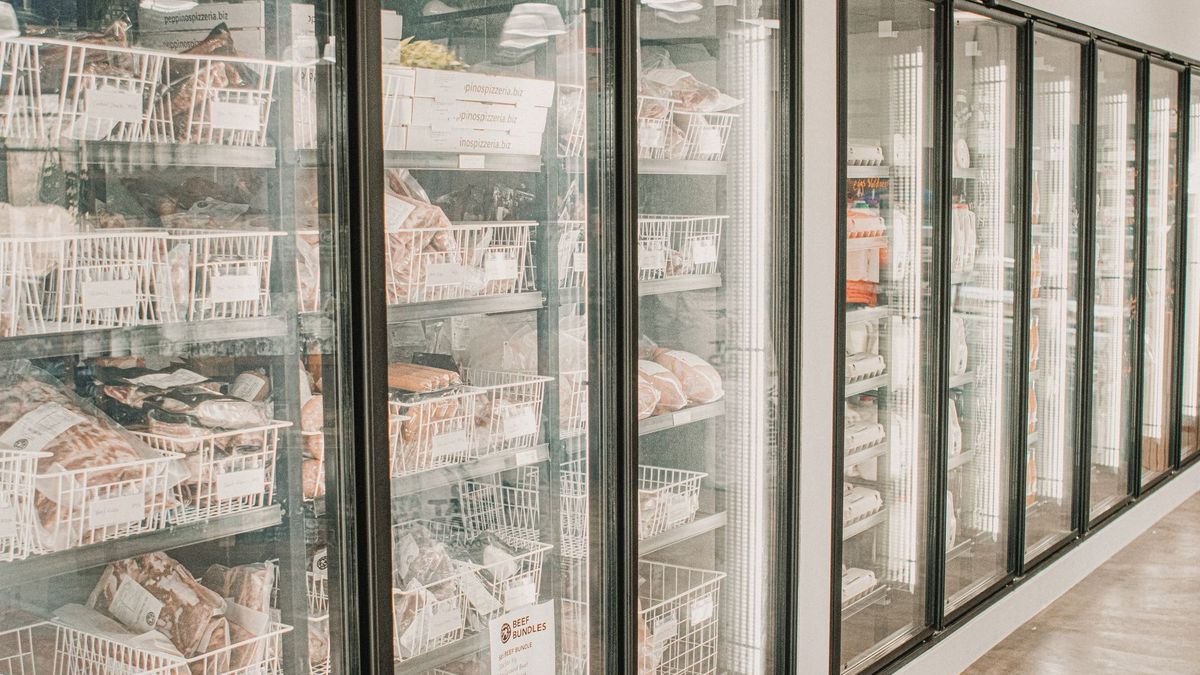
Sacramento cold storage sits close to farms in the Sacramento Valley and along major routes to the Bay Area, the Central Valley and Nevada. That position puts regional cold rooms in the path of produce, dairy and processed food moving to stores and distributors.
Demand shifts with the seasons, though. Local capacity also varies by facility.
What Moves Through the Region
Food freight in the area includes fresh produce, nuts, rice, dairy and processed foods. Some of it ships cold, some frozen and some ambient. Rice, for example, ships largely as a dry good. The City of West Sacramento port page lists rice exports among the port’s primary cargos.
Cold freight tends to move by truck. Highways such as I-5, I-80 and SR 99 carry most of it.
Seasonal Pressure on Sacramento Cold Storage
Harvest seasons can fill cold rooms and tighten reefer capacity. During those months, chilled space and refrigerated trucks may book up earlier than usual.
So plan ahead when your product’s peak overlaps the harvest. The article on Sacramento produce freight covers seasonal patterns without citing figures.
Heat and Handling
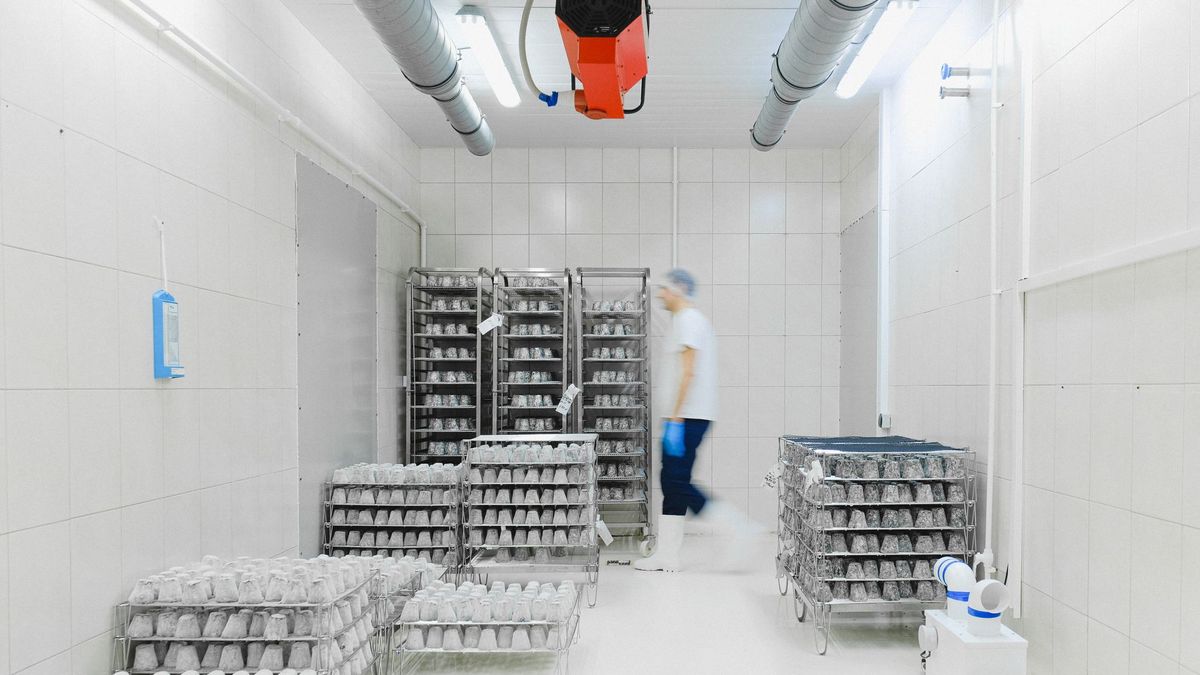
Sacramento summers bring high temperatures. That heat raises the stakes at the dock, since pallets lose cold quickly when doors open. Cold docks, sealed doors and fast handling matter more in summer months.
Workers face heat too. Cal/OSHA has heat illness prevention rules for outdoor work and, separately, for indoor workplaces. The Cal/OSHA heat illness page explains them.
Rules for Food
Food facilities fall under FDA rules, and transport of food that needs temperature control falls under the FDA sanitary transportation rule. California agencies also oversee food safety. For specific products, ask a qualified compliance professional.
Choosing Sacramento Cold Storage
Ask each facility which ranges it offers, how it monitors rooms and how it handles summer peaks. Ask about dock design and how long pallets wait between trailer and room.
For example, a hypothetical regional dairy distributor might compare two sites on dock layout and alarm response, not only on rate. The guide on cold storage monitoring lists questions to ask about alarms and logs.
Data and Its Limits
Public sources describe regional freight in broad terms. They rarely say how much cold space sits open in a given month. So treat regional reports as context and rely on direct quotes from facilities for real availability. Since Sacramento cold storage space can tighten quickly in harvest months, request those quotes well before your peak.