Inventory rarely holds steady all year. Peak seasons, harvests and promotions push space needs up and down, and planning ahead helps businesses avoid crowded buildings or rushed overflow deals.
How Warehouse Location Affects Freight Routing

SacramentoWarehouse.com
Table Of Content

Contact us anytime!
Why Warehouse Location Drives Routing
Warehouse location sets the starting point for every outbound load and the end point for every inbound one. A site an hour closer to customers saves that hour on every delivery, while a site far from suppliers adds miles to every receipt.
So location decisions are routing decisions in disguise.
Inbound and Outbound Distance
Start with two maps. One shows where your freight comes from. The other shows where it goes.
A warehouse location close to suppliers lowers inbound cost but may push outbound loads farther. A site close to customers does the reverse. Most businesses end up balancing the two based on which side moves more volume or more frequent loads.
For example, a hypothetical distributor receives two full trailers a week from a port but ships dozens of small orders a day to stores. Outbound frequency likely matters more than inbound distance in that case.
Highway Access and Truck Routes
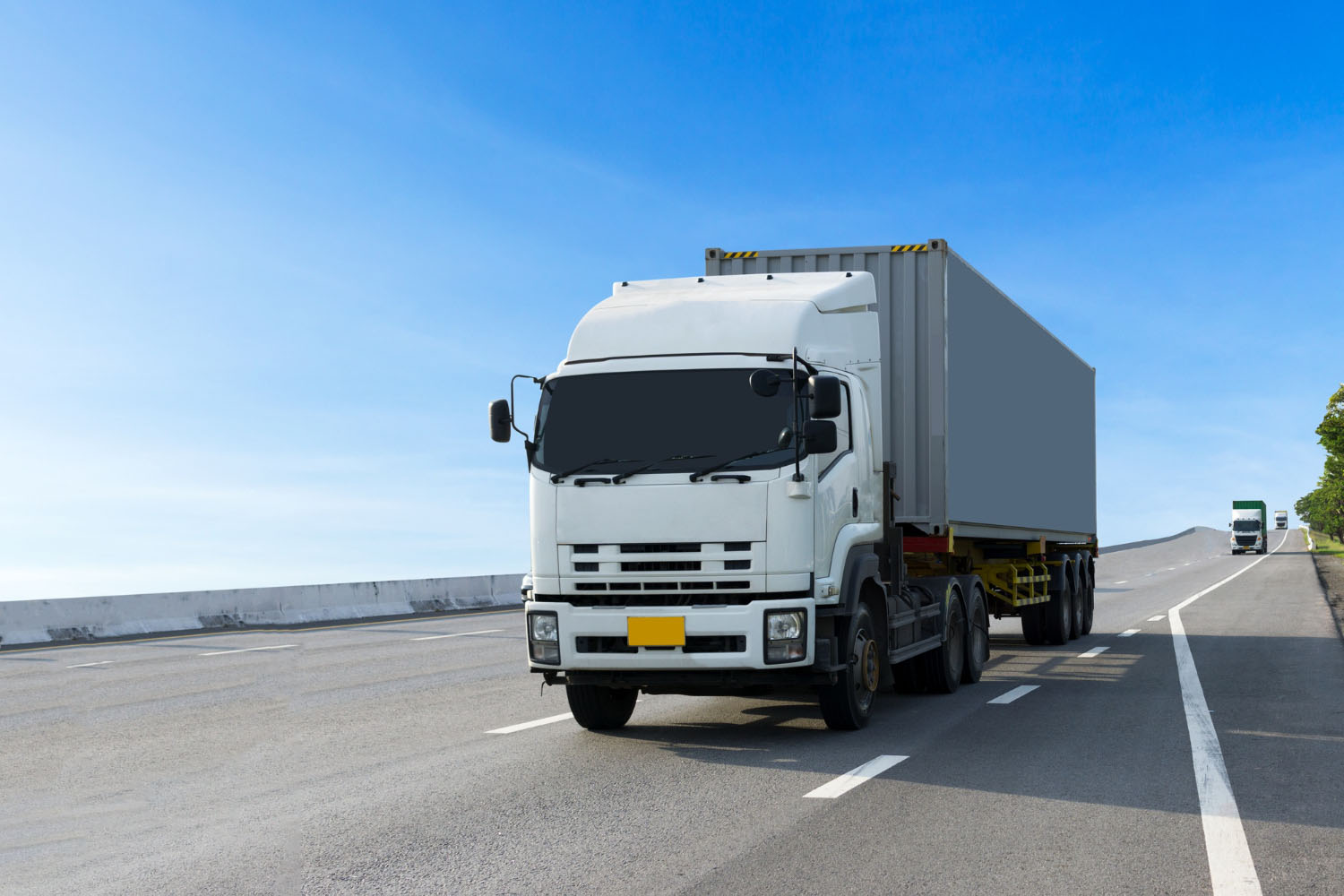
Access to major highways affects transit time more than straight line distance does. A warehouse a few miles off a freight corridor can still lose time on local streets, signals and restricted routes.
Check the route from the dock to the nearest highway. Look for low bridges, weight limits and residential streets. Caltrans publishes freight planning resources, including statewide plans and corridor studies, which can help when you compare regions.
Carrier Coverage and Labor
A good warehouse location also depends on who serves it. Carriers build networks around their terminals, so some areas get more pickup options and more frequent service than others.
Labor matters as well. Warehouses need staff for shifts that may start early or run late. Before you commit to a site, ask how the provider staffs peak periods.
Warehouse Location Around Sacramento
In the Sacramento region, the interstate and state highway network shapes most freight routes. Sites near I-5, I-80, Highway 50 and SR 99 differ in how quickly trucks reach the Bay Area, the Central Valley and Nevada. The article on Sacramento freight corridors covers those routes without traffic figures.
Still, a regional view only goes so far. Each site has its own approach roads, dock count and yard space.
Warehouse Location and Cost
Rent is only one line. Labor rates, local taxes, utility costs and the time trucks spend reaching the dock all shift from one site to the next.
Because these costs interact, a cheap building can still produce an expensive network. A site with lower rent but longer drive times may cost more once you price every outbound load. That is why the comparison works far more accurately on real shipment history instead of on rent alone.
Data to Gather Before Choosing
- Origin and destination of your last year of shipments
- Order frequency by destination
- Carrier pickup schedules for each candidate site
- Dock doors, yard space and trailer parking
- Local access routes and any truck restrictions
With that data, compare candidate sites on the same loads. The guide on single versus multi warehouse networks explains when one site stops being enough.