Inventory rarely holds steady all year. Peak seasons, harvests and promotions push space needs up and down, and planning ahead helps businesses avoid crowded buildings or rushed overflow deals.
Frozen Storage Compared With Chilled Storage

SacramentoWarehouse.com
Table Of Content

Contact us anytime!
The Basic Split in Frozen Versus Chilled
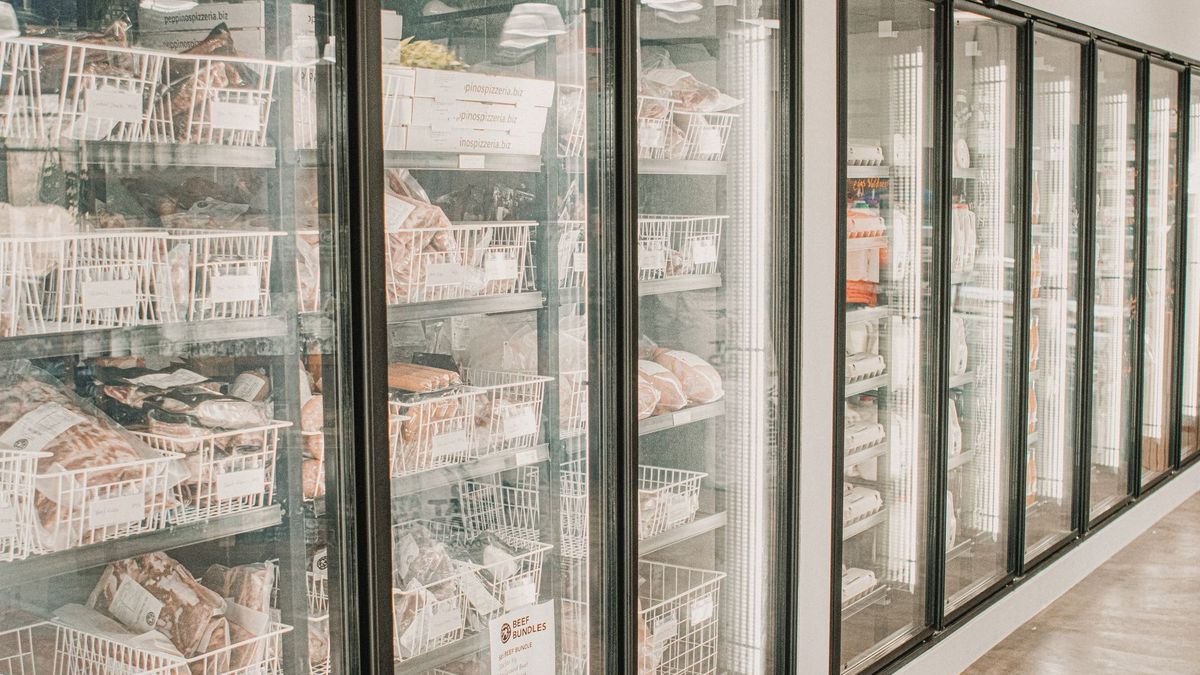
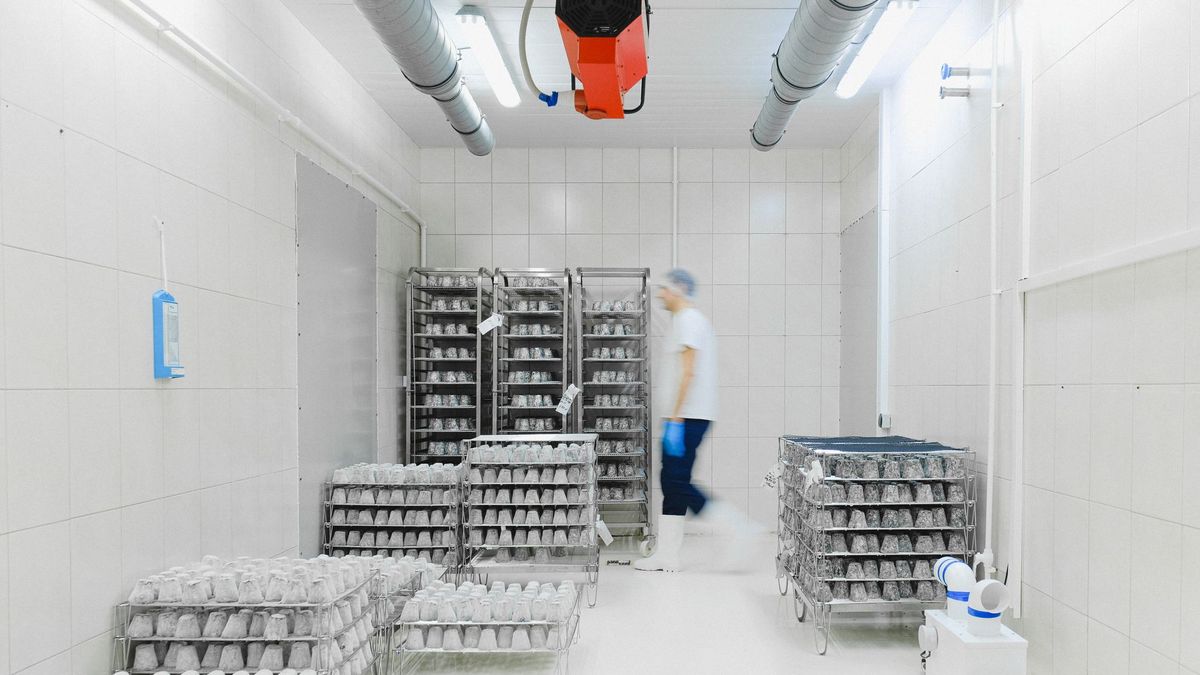
Frozen storage holds goods below freezing so they stay solid. Chilled storage holds goods cold but above freezing so they stay fresh without turning to ice. In frozen versus chilled decisions, the product’s own requirements choose the room.
Putting a product in the wrong room can ruin it either way.
Products in Each Room
- Frozen rooms hold frozen foods, ice cream and some ingredients
- Chilled rooms hold produce, dairy, fresh meat and many beverages
- Some products allow either, with different shelf lives
Manufacturer instructions and customer specs usually set the range. So check those before booking space.
Frozen Versus Chilled Handling
Frozen goods can tolerate brief exposure better than many chilled goods, but they still need speed at the dock. Chilled produce, on the other hand, may suffer from both heat and freezing. A chilled room set too cold can damage some fruits and vegetables.
Staff in frozen rooms need gear and break schedules suited to very cold work. Equipment must also run reliably in those conditions.
Packaging Differences
Frozen packaging has to handle frost and moisture. Cartons can weaken when they thaw and refreeze. Chilled packaging may need vents for produce that keeps respiring.
Because packaging fails differently in each room, ask the warehouse how it handles cartons that soften or sweat.
Costs and Space
Frozen rooms usually cost more to run than chilled rooms, because they hold a lower temperature. Both cost more than ambient space. Rates vary widely, so none appear here.
Space is often tight in both. Seasonal peaks can fill cold rooms, so book early when volume rises.
Rules That Apply
Food facilities that hold food fall under FDA current good manufacturing practice rules. 21 CFR Part 117 sets those requirements. Transport of food that needs temperature control for safety falls under the separate sanitary transportation rule.
For specific products, ask the owner’s quality team or a qualified compliance professional.
Choosing Between Frozen Versus Chilled
Start with the product spec. Then match the room, the packaging and the handling plan to it.
For example, a hypothetical bakery supplier might keep frozen dough in a frozen room and finished pastries in a chilled one. Each line needs its own storage plan, records and outbound timing. The guide on cold chain records explains the records side, and the article on temperature controlled storage covers monitoring.
Moving Goods Between Rooms
Some products move from frozen to chilled before sale, a step often called tempering or slacking. That move needs its own plan, since the product spends time between ranges. Ask whether the warehouse offers the service, how it records the timing and who sets the schedule.