Inventory rarely holds steady all year. Peak seasons, harvests and promotions push space needs up and down, and planning ahead helps businesses avoid crowded buildings or rushed overflow deals.
Transloading Compared With Cross Docking

SacramentoWarehouse.com
Table Of Content

Contact us anytime!
What Transloading Means
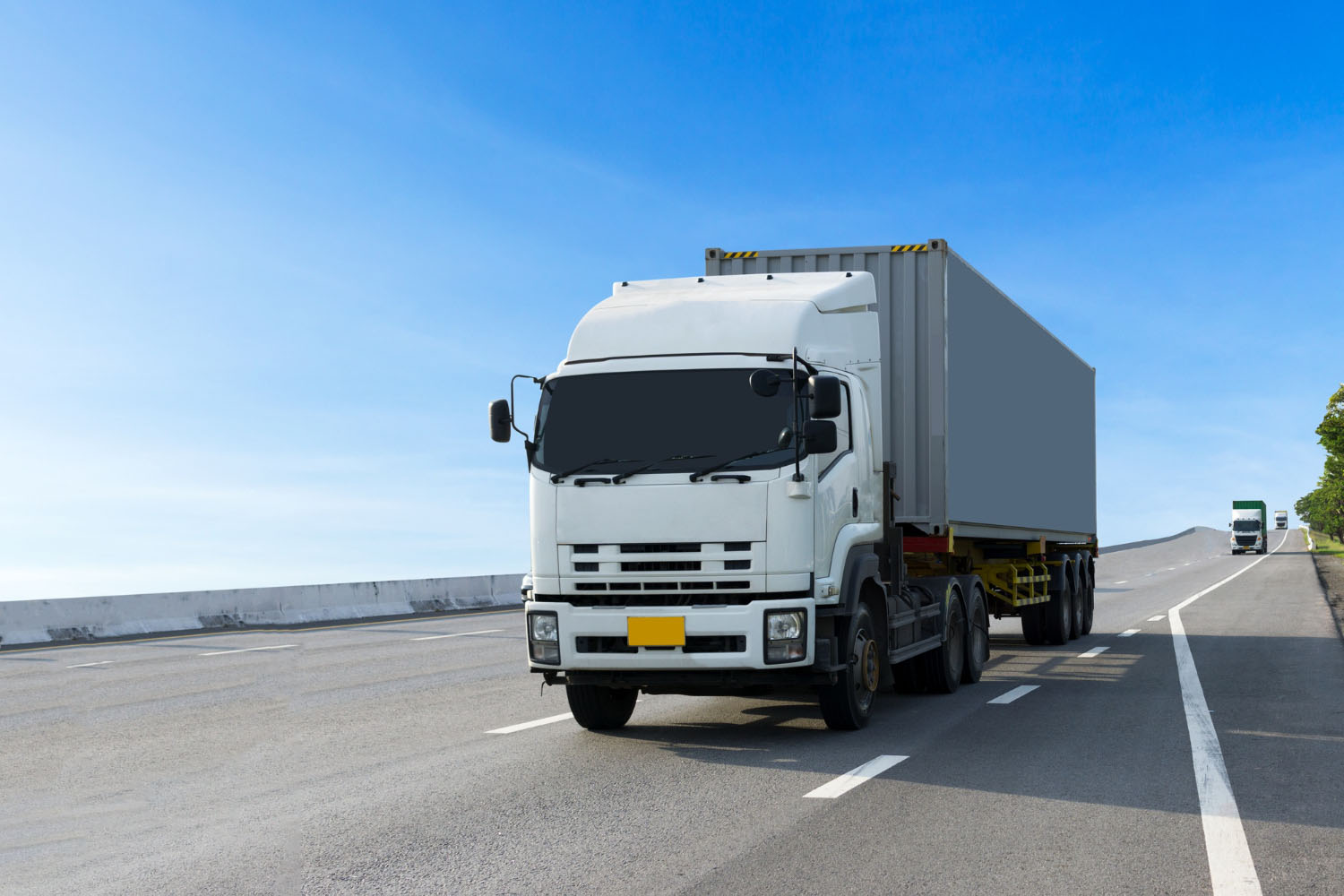
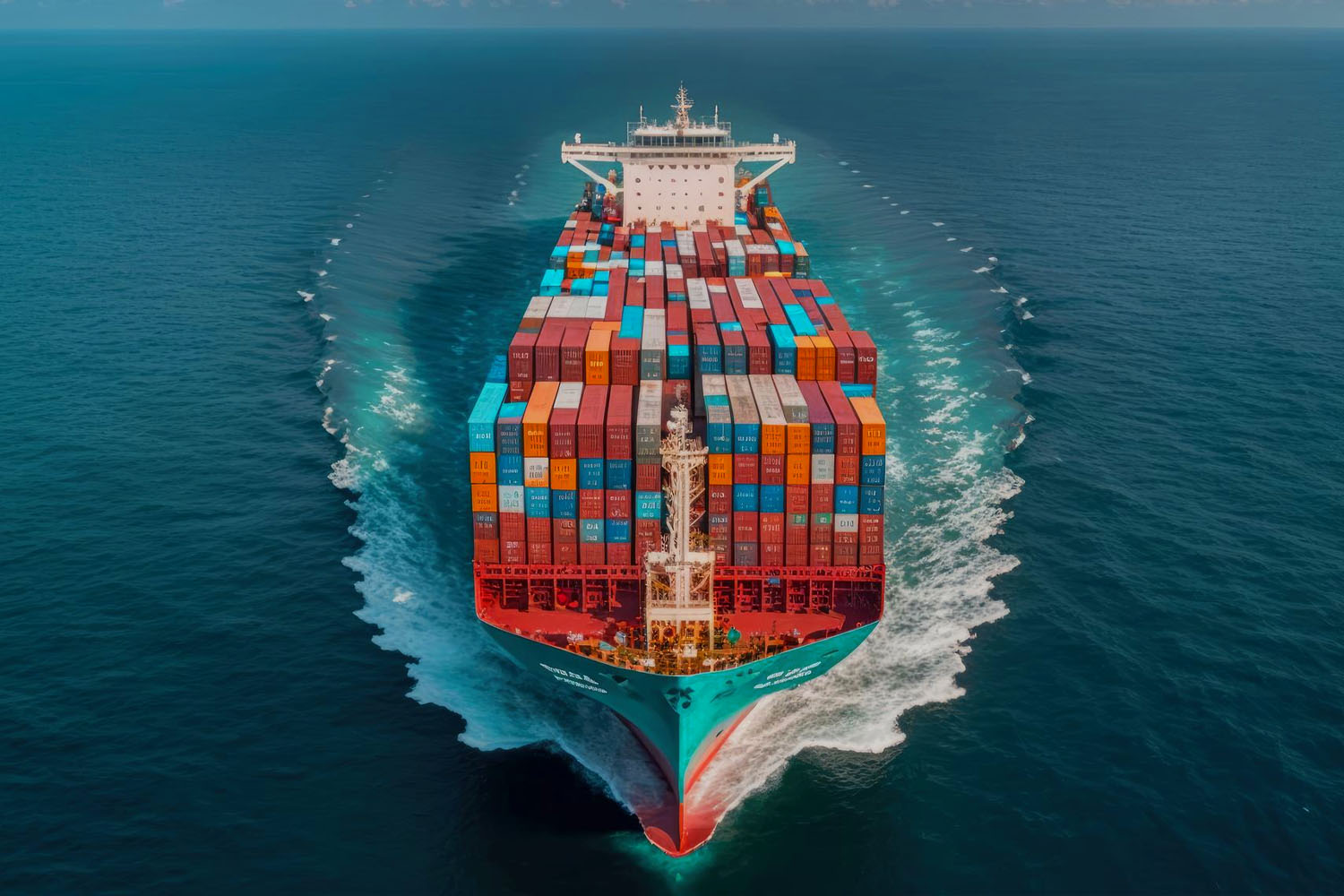
Transloading moves freight from one type of equipment or mode to another. A common example is unloading an ocean container and reloading the goods into a domestic trailer. Cross docking, by contrast, usually moves freight between trucks of the same kind to sort it by destination.
Both skip long term storage. The difference lies in why the freight changes equipment.
Why Shippers Use Transloading
To begin with, equipment sizes differ. An ocean container and a domestic trailer do not hold the same volume, so shippers may move goods from containers into trailers near a port.
Return of equipment matters too, because ocean carriers want their boxes back. Holding containers inland can add charges. Transloading near the port lets the container go back sooner while the goods continue inland by truck.
- Container to domestic trailer
- Rail car to truck
- Truck to rail car
- Bulk freight between rail and truck
How Cross Docking Differs
Cross docking sorts freight. An inbound trailer carries mixed freight, and the dock splits it into outbound trailers by store or route. The equipment type usually stays the same.
A transload may also sort freight, but its main job is the equipment change. The article on cross docking suitability explains what makes freight fit a cross dock.
Paperwork When Equipment Changes
Every transfer changes the paperwork. Import containers carry customs and ocean shipping records. Once goods move into a domestic trailer, a new bill of lading usually governs the next leg.
Import freight may also need customs clearance before it moves freely. The CBP basic import and export page outlines how that process works. A licensed customs broker can advise on a specific shipment.
Risks During the Transfer
However, each handling step adds risk. Goods packed tightly in a container may shift or crush when unloaded. Counts can slip when cartons move from one box to another.
For that reason, check counts and condition at the transfer. Record the container number, seal number and trailer number together. The guide on seal numbers covers seal records.
When Transloading Fits
Transloading tends to fit import freight headed inland, freight that changes between rail and truck and loads that need different equipment for the final leg.
For example, a hypothetical furniture importer might transload containers near a port into domestic trailers bound for regional stores. The choice depends on equipment charges, trailer availability and transit plans, so compare the options with real quotes before deciding.
Questions for a Transfer Facility
Ask how the facility checks counts when goods change equipment. Ask whether it photographs container contents when the doors open and how quickly it reports damage. Also ask how long freight may wait between unloading and reloading before storage charges apply. Those answers show whether the site treats the transfer as a controlled step or as a quick reload.